

697bccaf2f7f67.61240145_24x24.jpg "New In")


69ec00354f7a68.03349975_24x24.jpg "Sale")



























































































































































































































69ec00354f7a68.03349975_64x64.jpg "Sale")
697bccaf2f7f67.61240145_64x64.jpg "New In")


697bd159de92f4.62956165_64x64.jpg "Sex Toys")
697bd6ac3accd8.01871027_64x64.jpg "Bondage")
697bd97523c8b5.05473821_64x64.jpg "Essentials")
697bdb8a98b849.39624185_64x64.jpg "Lingerie")


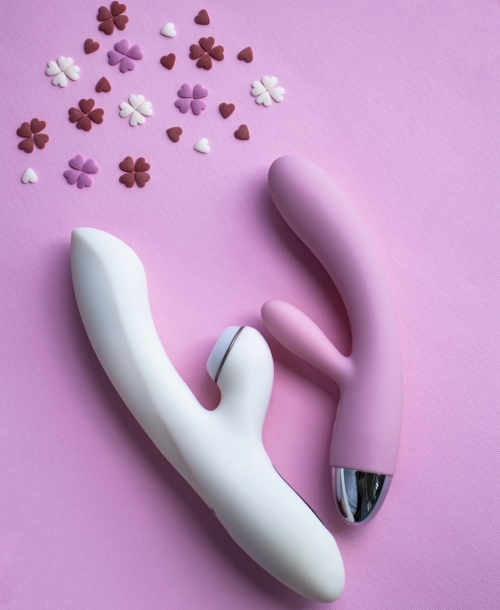










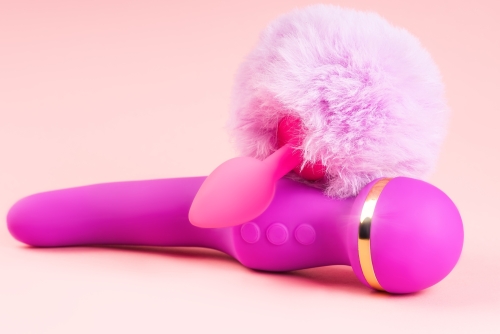
Male and Female Masturbation Guide: Solo Sex, Masturbators, Vibrators and Lube

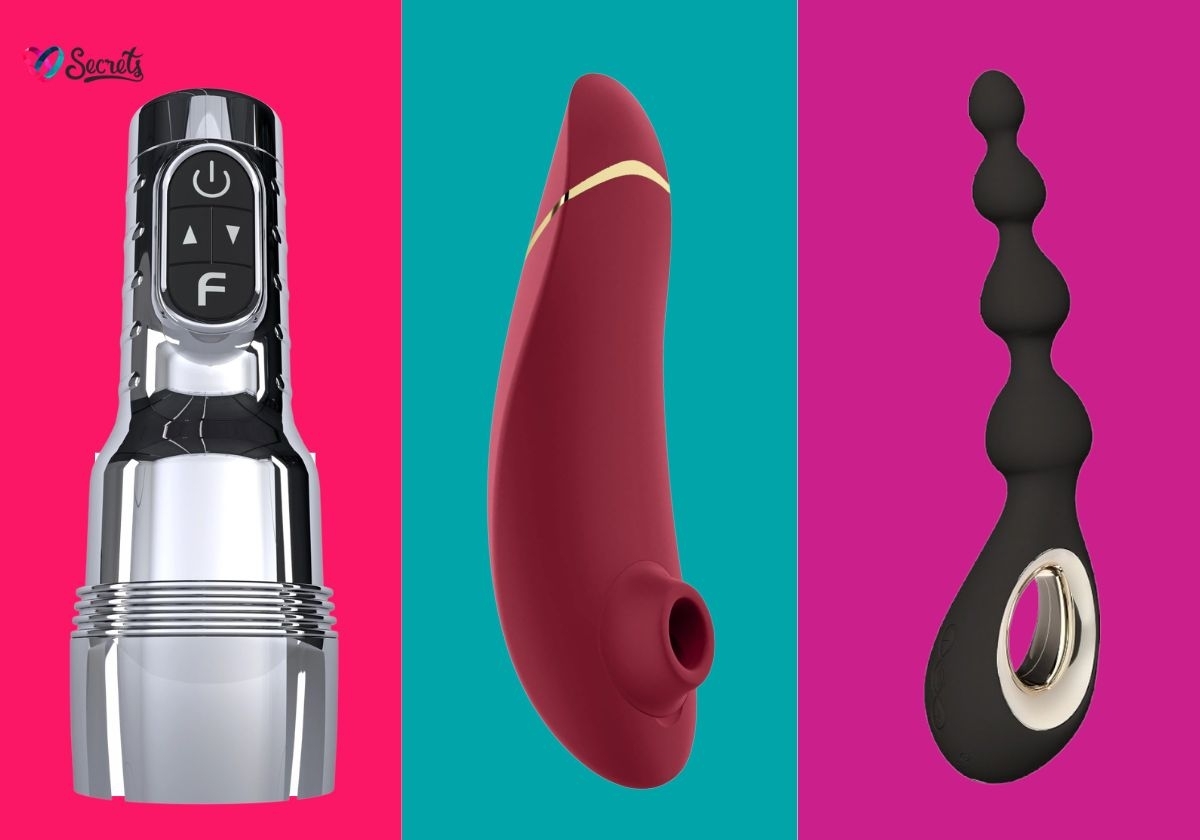
Adults 18+. This guide is for general sexual wellness information and pleasure education. It does not replace advice from a GP or a sexual health clinic.
Masturbation is normal. It is one of the most common ways adults explore pleasure, relax, learn about their bodies and enjoy sex on their own terms.
You might call it solo sex, self-pleasure, wanking, touching yourself or using sex toys. Whatever words you use, many people in the UK ask the same private questions:
- Is masturbation normal?
- How often is “too often”?
- How do you masturbate comfortably?
- Can masturbation cause erectile dysfunction (ED)?
- Can it affect sperm or fertility?
- Do you need porn to masturbate?
- Should you use lube?
- Are male masturbators, vibrators and sex toys safe?
This Secrets Shop UK guide answers those questions in a calm, practical and non-judgemental way. It covers male masturbation, female masturbation, porn-free solo play, sex toys, lube, relationships, safer toy use and when to get medical advice.
Note on language: this guide uses “male” and “female” because these are common search terms. Bodies and identities vary, so follow the advice that fits your body.
Jump to
- Quick answers about masturbation
- How to masturbate (simple steps)
- Female masturbation (vulva-focused)
- Male masturbation (penis-focused)
- Anal & prostate play (safety-first)
- Lube: what to use and what to avoid
- Sex toys: choosing, cleaning, storing
- How to masturbate without porn
- Masturbation in relationships
- When to speak to a GP or sexual health clinic
- FAQs
- Evidence note
Quick answers about masturbation
| Question | Short answer |
|---|---|
| Is masturbation normal? | Yes. Masturbation is a normal adult sexual activity and a common part of sexual wellbeing. |
| How often should you masturbate? | There is no perfect number. It’s only a concern if it’s causing pain, distress, lost sleep, missed work, or relationship problems. |
| Can you masturbate too much? | Sometimes. “Too much” is about impact, not a specific frequency. |
| How do you masturbate comfortably? | Start slowly, use clean hands, explore different pressure and rhythm, and add lube if there’s friction. |
| Does masturbation cause erectile dysfunction? | Masturbation itself isn’t usually the cause. If erection problems are persistent, painful, sudden, or distressing, speak to a GP. |
| Does male masturbation affect fertility? | For most people, masturbation is unlikely to be the main factor in fertility. If you’re trying to conceive and worried, get medical advice. |
| Do women masturbate? | Yes. Many women and people with vulvas masturbate, even if it’s discussed less openly. |
| Do you need porn to masturbate? | No. Many people use touch, fantasy, erotica, audio, memories, or body sensation instead. |
| Should you use lube? | You don’t have to, but lube often makes masturbation smoother and more comfortable—especially with toys or longer sessions. |
| Is masturbation bad for a relationship? | Not automatically. Issues usually come from secrecy, broken boundaries, mismatched desire, or emotional distance. |
How to masturbate: a simple guide for adults
There is no single “correct” way to masturbate. The best method is the one that feels comfortable, safe and enjoyable for your body.
- Get comfortable: Choose privacy, warmth, and a position you can relax in. Lying down, sitting up or standing can all work.
- Start slowly: Build arousal first in erogenous zones - thighs, stomach, chest, nipples, inner legs, perineum.
- Use lube if there’s friction: Water-based lube is the safest starting point for most people and most toys.
- Explore pressure and rhythm: Try light touch, firmer touch, circles, strokes, pauses or different speeds. More pressure is not always better.
- Try external and/or internal stimulation: Some people prefer clitoral or penis stimulation. Others enjoy vaginal, anal, G-spot or prostate play. Go slowly and stop if anything hurts.
- Add toys if you want to: Clitoral stimulators, rabbit vibrators, wand vibrators, male masturbators, penis sleeves and prostate toys can add new sensations, but they are optional.
- Focus on sensation, not performance: You do not have to orgasm every time for masturbation to “count”.
- Clean up: Wash hands and clean sex toys after use. Let toys dry fully before storing them.
Stop if you feel pain, bleeding, burning, swelling, or numbness that doesn’t pass quickly.
Is masturbation normal?
Yes. Masturbation is normal for adults of all genders. Some people masturbate often. Some do it occasionally. Some never do. All can be normal.
UK research also shows that masturbation is common. A 2025 Natsal trend paper found that reported past-month masturbation among people aged 16–44 in Britain increased from 37.0% to 40.3% for women and from 73.4% to 77.5% for men between 1999–2001 and 2010–12.
So, if you masturbate, you are far from alone. And if you do not enjoy masturbation, that is also fine.
Common reasons people masturbate:
- to learn what touch feels good
- to relax and release tension
- to enjoy pleasure without pressure
- to understand your body and learn what helps you feel good or reach orgasm
- to explore sex toys in private
How often should you masturbate?
ISSM says there is no “normal” frequency. Some people masturbate daily, some weekly, some rarely and some never. The concern is not the number itself, but whether masturbation affects daily life.
A better question is: Does masturbation feel like a healthy choice, or does it feel like something I cannot control?
Healthy masturbation usually looks like:
- it feels enjoyable or relaxing
- your body feels comfortable afterwards
- it doesn’t replace sleep, work or daily life
- it fits your relationship boundaries (if you’re partnered)
It may be worth reviewing if:
- you feel sore, numb, bruised or irritated
- you keep missing sleep, work or plans
- you feel unable to stop even when you want to
- it’s creating repeated conflict with a partner
Female masturbation (vulva-focused): comfort, technique and toys
Many women wonder if they’re masturbating 'properly.' The truth is, there’s no single correct way to do it.
Start with comfort, not pressure:
- privacy and time
- clean hands
- relaxed breathing
- gentle touch first
- lube if anything feels draggy
- no rush to orgasm
Clitoral stimulation: often the most reliable option
For many women and people with vulvas, the clitoris is the most consistent route to orgasm. Some like direct touch; others prefer indirect touch: around the clitoris, through underwear, or with more lube.
| Your goal | Try | Why it helps |
|---|---|---|
| Gentle external touch | Fingers, mini and bullet vibrator | Easy to control pressure and intensity. |
| Strong external stimulation | Wand vibrator | Deep, rumbly vibration (often less “buzzy”). |
| Targeted clitoral pleasure | Clit stimulator (air-pulse/suction-style) | Focused stimulation without heavy pressure. |
| Internal + external (blended) pleasure | Rabbit vibrator | Stimulates clitoris and internal areas together. |
| Internal exploration | G-spot vibrator, love egg, dildo | Helps you learn what internal pressure/angles feel best. |
| More comfort | Water-based lube | Reduces friction and “too much too fast” sensation. |
Lube can help even when you’re aroused
Using lube doesn't mean something is wrong with your body. It simply makes touch smoother, reduces irritation and helps toys glide comfortably—especially during longer sessions, postpartum, peri/menopause, or when medications affect lubrication.
What if you can only orgasm with a vibrator?
That’s common. It doesn’t mean your body is broken. Vibrators provide a steady rhythm and intensity that hands may not replicate.
If you want more variety (without giving up toys), try:
- starting with fingers, then adding the sex toy
- using the toy over the underwear
- lower settings and longer build-up
- switching between direct and indirect clitoral touch
- adding lube to soften sensation
What if masturbation hurts?
Masturbation should not hurt. Stop if it does. Common causes include not enough lube, too much pressure, irritation, dryness, infection, pelvic floor tension, or a toy that’s too large, firm or powerful.
Speak to a GP or sexual health clinic if you have bleeding, burning, unusual discharge, pelvic pain, painful orgasm or pain that keeps coming back. NHS guidance says unusual bleeding after sex should be checked by a GP or sexual health clinic.
Male masturbation (penis-focused): comfort, technique and common worries
Male masturbation can seem “simple”, but many people still want reassurance—especially around ED, sensitivity, porn habits, and toys.
Change grip, pace and pressure to avoid a very narrow routine
If you always use the same tight grip, high speed and identical routine, your body can get used to that exact pattern. Variety can help.
- use more lube (less friction, less pressure needed)
- reduce grip strength and slow down
- change hand/position
- focus on different areas (head, shaft, frenulum, perineum)
- take pauses and build arousal again
What are male masturbators?
Male masturbators are sex toys designed for penis stimulation and sexual pleasure. They can add texture, glide, pressure, vibration, or hands-free movement.
| What you want | Try this |
|---|---|
| Simple upgrade from hand play | Masturbation sleeve, pocket pussy |
| More realistic texture | Realistic vagina masturbator (soft internal textures) |
| Less effort / more intensity | Automatic male masturbator |
| Different orgasm style | Prostate massager |
| Support erection quality (optional) | Cock ring (used safely) |
Does masturbation cause erectile dysfunction (ED)?
Masturbation itself isn’t usually the cause of ED. Persistent erection problems are more often linked to stress, tiredness, alcohol, mental health, medications, circulation, hormones, or underlying health conditions.
If erection problems keep happening, are new, cause distress, or come with pain, speak to a GP or sexual health clinic.
Does male masturbation affect sperm or fertility?
For most men, masturbating often is unlikely to affect fertility. Mayo Clinic says semen quality may be at its best after a two- or three-day break. But daily ejaculation usually does not harm healthy sperm.
What is edging?
Edging means bringing yourself close to orgasm, stopping or slowing down, then building back up. It can increase intensity for some people. If you edge for long periods, use lube, take breaks, and stop if you feel numb or sore.
Anal & prostate play: tips and safety
Anal play can feel good for people of any gender. It can also be unsafe if you rush it or use the wrong items.
- Use lots of anal lube: the anus does not self-lubricate.
- Use toys designed for anal play only: a flared base is essential to prevent the toy from slipping inside.
- Go slowly: start small, use gentle pressure, pause if you tense up.
- Hygiene matters: clean toys before and after; consider condoms on toys for easier clean-up.
- Stop if anything hurts: sharp pain, bleeding, or burning are signs to stop and get advice if needed.
Lube: what to use and what to avoid
You don’t have to use lube, but it often makes masturbation more comfortable - especially with toys, longer sessions, or anal/prostate play.
| Lube type | Best for | Notes |
|---|---|---|
| Water-based lube | Most masturbation, most toys, condoms | Best all-round choice. Easy to clean. May need reapplying during longer sessions. |
| Silicone lube | Longer-lasting glide | Do not use with silicone toys unless the toy brand says it’s compatible. |
| Anal lube | Anal play, butt plugs, prostate toys | Usually thicker/longer-lasting. Use generously. |
| Warming/tingling lube | Extra sensation | Patch test first; avoid if you’re prone to irritation. |
Sensitive skin tip
If you’re prone to thrush, irritation, or UTIs, consider a simple, fragrance-free water-based lube and stop using anything that stings or burns.
Sex toys: choosing, cleaning and storing
How to choose a safer toy
- Body-safe materials: look for non-porous, body-safe materials such as silicone, stainless steel or borosilicate glass.
- Avoid mystery materials: if a product doesn’t clearly state its materials, skip it.
- Start beginner-friendly: smaller sizes, softer textures, adjustable intensity.
- For anal: flared base only.
Beginner toy picks (simple, not overwhelming)
| If you want… | Start with… |
|---|---|
| Gentle clitoral stimulation | Bullet vibrator or mini wand |
| Powerful external stimulation | Full-size wand vibrator |
| Penis stimulation beyond your hand | Soft pocket stroker + water-based lube |
| Anal/prostate exploration | Small, flared-base butt plug or beginner prostate massager + plenty of lube |
Toy cleaning (quick and realistic)
- Wash with warm water and mild, fragrance-free soap or a sex toy cleaner.
- Clean before and after use.
- Dry fully before storing to prevent mould and odours.
- Store separately (ideally in a pouch) to keep toys dust-free and prevent material reactions.
How to masturbate without porn
You do not need to watch porn to masturbate.
If porn-free masturbation feels slower at first, that’s normal, especially if your body is used to quick visual stimulation. Give yourself more time and focus on sensation.
Porn-free ideas:
- fantasy or memories
- erotica or audio erotica
- mindful touch (slow pressure, pauses, breathing)
- full-body massage
- lube plus a sex toy: wand and bullet vibrators, clit stimulator, stroker, prostate massager or anal beads
Masturbation in relationships: boundaries and communication
Masturbation isn’t automatically “bad” for a relationship. Many happy couples masturbate.
It becomes an issue mainly when there is secrecy, broken boundaries, mismatched desire, or emotional distance. A helpful starting line can be:
“I like solo time sometimes, and I also care about our sex life. Can we talk about what feels comfortable for both of us?”
When to speak to a GP or sexual health clinic?
Get medical advice if you have symptoms that are new, persistent, painful, or worrying.
- bleeding after masturbation or sex
- burning, strong itching, or unusual discharge
- pelvic, testicular, penile, or rectal pain
- painful ejaculation or painful orgasm
- erection problems that keep happening
- repeated numbness, swelling, or injuries
- compulsive behaviour that feels hard to control or causes distress
If you think you may have an STI, book a sexual health clinic appointment and avoid sex until you’ve been checked.
Start simple with a body-safe sex toy, plenty of lube and no pressure to get everything “right” first time. Browse beginner-friendly vibrators, male masturbators, pocket strokers, lubes and sex toy cleaners at Secrets Shop UK.
FAQs
Is it normal to masturbate every day?
For some adults, yes. The key is whether it’s causing pain, distress, lost sleep, missed responsibilities, or relationship problems.
Can vibrators cause numbness?
Temporary numbness or overstimulation can happen, especially with strong vibration. Take a break, use a lower setting, add lube, and avoid pressing too hard. If numbness persists, speak to a clinician.
Does masturbation lower testosterone?
No, masturbation is not known to cause long-term low testosterone. Testosterone can rise and fall during arousal, but masturbation does not appear to cause a lasting drop. If you have low desire, tiredness, erection problems, mood changes or loss of strength, speak to a GP rather than assuming masturbation is the cause.
Does masturbation cause acne?
No, masturbation does not cause acne or make acne worse. Acne is usually linked to oil glands, hormones, blocked pores, bacteria and skin inflammation, not masturbation. If you notice spots or breakouts, look at skincare, sweat, stress, hormones, medication, makeup or skin irritation instead.
Are sex toys safe to use for masturbation?
Yes, if they are body-safe, cleaned properly and used as intended. For anal play, only use toys with a flared base.
What is the best masturbation toy for beginners?
For many beginners, a bullet vibrator, small wand, soft masturbation sleeve, pocket pussy or water-based lube is a simple place to start.
Is masturbation safe during pregnancy?
For many people, yes - but if you’re pregnant and have pain, bleeding, or have been advised to avoid sex/orgasm, follow your clinician’s guidance.
Can masturbation cause a UTI or thrush?
Masturbation doesn’t directly “cause” infections, but friction, dirty hands/toys, or irritating products can increase risk. Good hygiene, body-safe toys, and gentle lube can help.
What’s the safest lube to start with?
A simple, fragrance-free water-based lube is the safest all-round starting point for most people and most toys.
Is it healthy not to masturbate?
Yes. Some adults masturbate often, some rarely, and some never. Not masturbating is healthy if it feels natural for you and does not cause distress.
Final thought
Masturbation should feel like care, not pressure.
There is no perfect way to do it and no perfect frequency. Hands, fingers, lube, vibrators, male masturbators and fantasy can all be part of healthy solo pleasure.
Listen to your body. Use lube when you need it. Choose body-safe toys. Stop if anything hurts. Ask for help if a worry keeps coming back.
Evidence note
This guide is for adult sexual wellness education and does not replace advice from a GP, pharmacist or sexual health clinic.
This article was informed by sexual health guidance and research from the NHS, Cleveland Clinic, ISSM, Mayo Clinic and Natsal, including 2025 research on masturbation prevalence trends in Britain.
About this guide: Written for UK readers by the Secrets Shop Sexual Wellness Editorial Team. Last updated: May 2026.
Help other users with the choice - be the first to share your opinion about this post.