
697bccaf2f7f67.61240145_24x24.jpg "New In")


69ec00354f7a68.03349975_24x24.jpg "Sale")


























































































































































































































697bccaf2f7f67.61240145_64x64.jpg "New In")


69ec00354f7a68.03349975_64x64.jpg "Sale")
697bd159de92f4.62956165_64x64.jpg "Sex Toys")
697bd6ac3accd8.01871027_64x64.jpg "Bondage")
697bd97523c8b5.05473821_64x64.jpg "Essentials")
697bdb8a98b849.39624185_64x64.jpg "Lingerie")













Small Chastity Cages
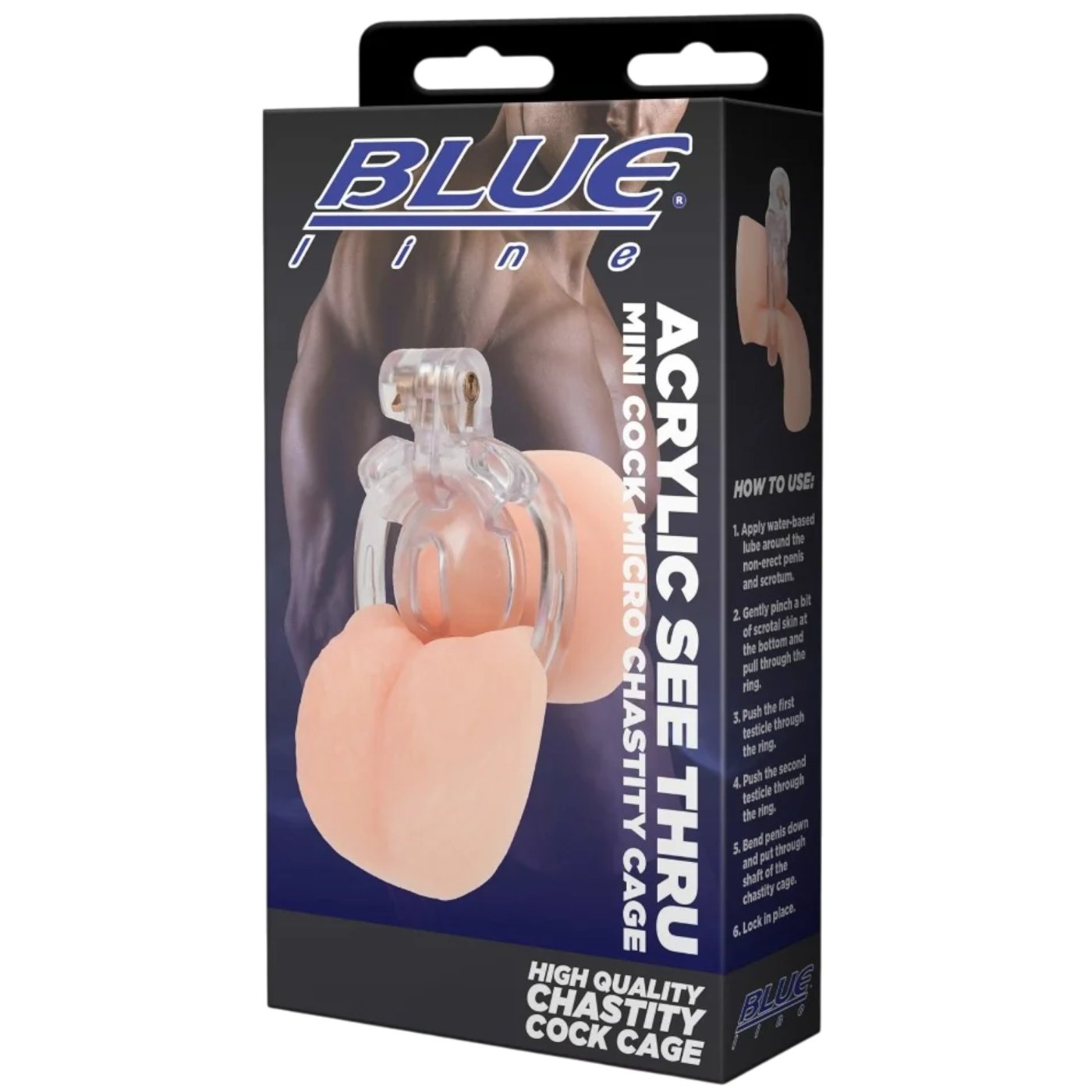
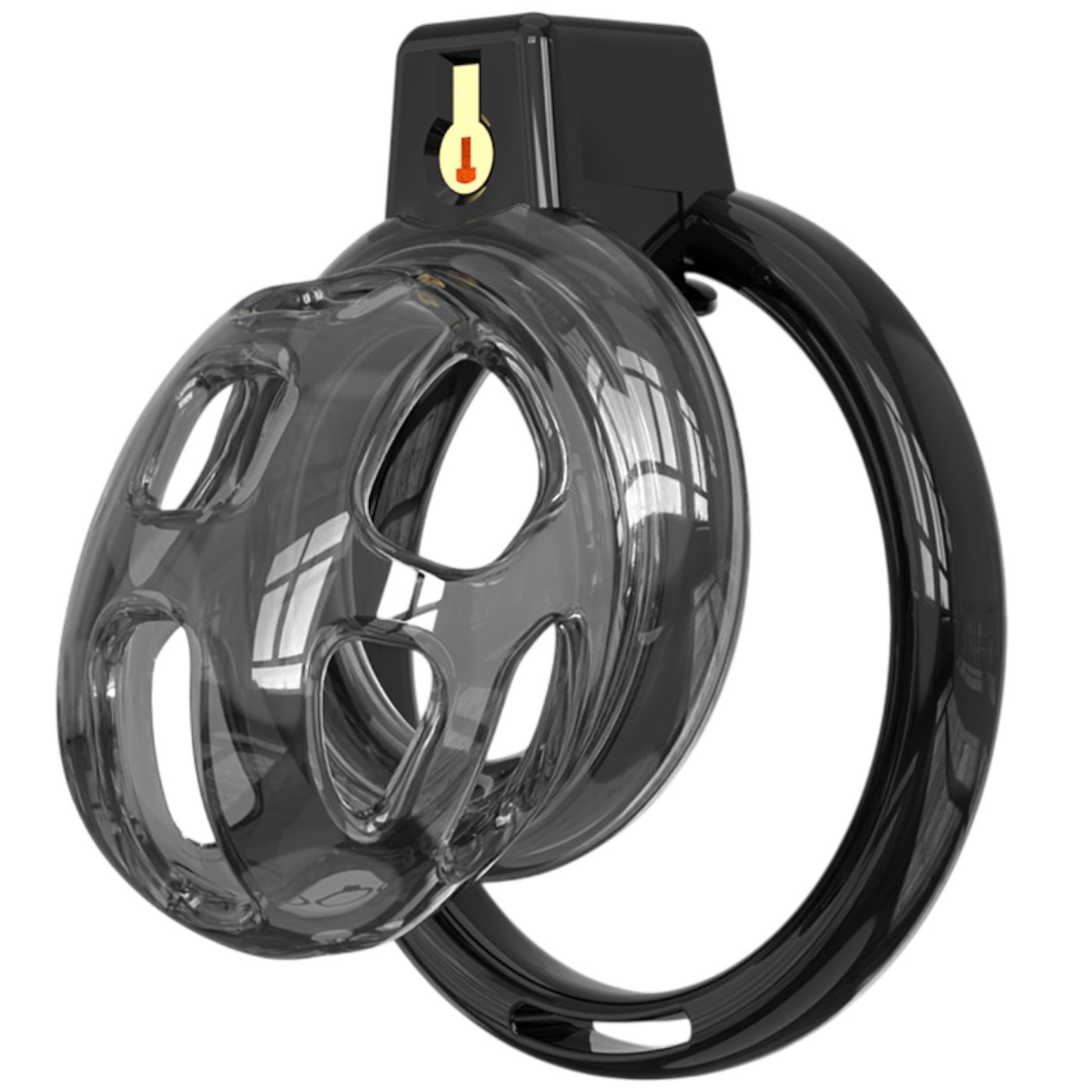
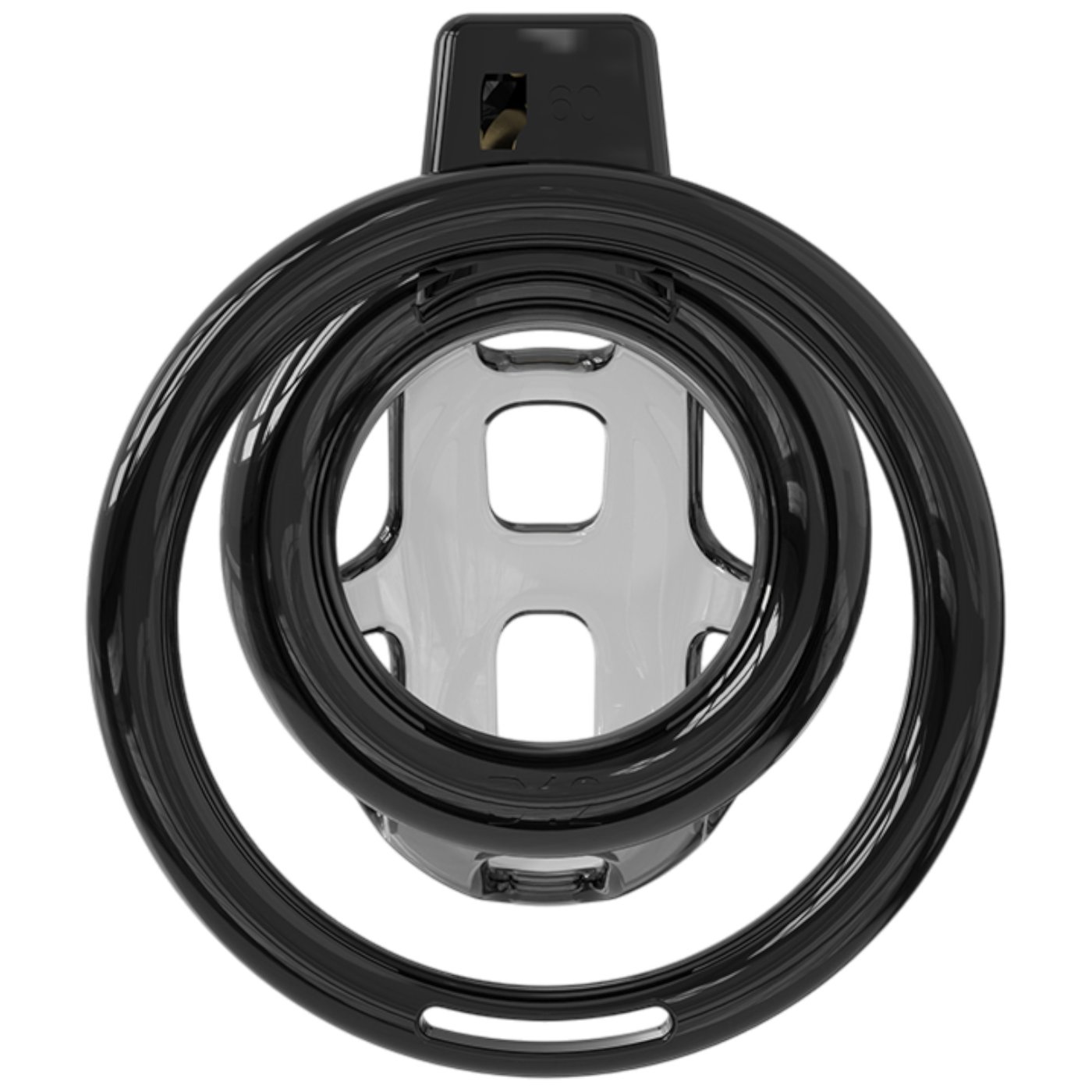
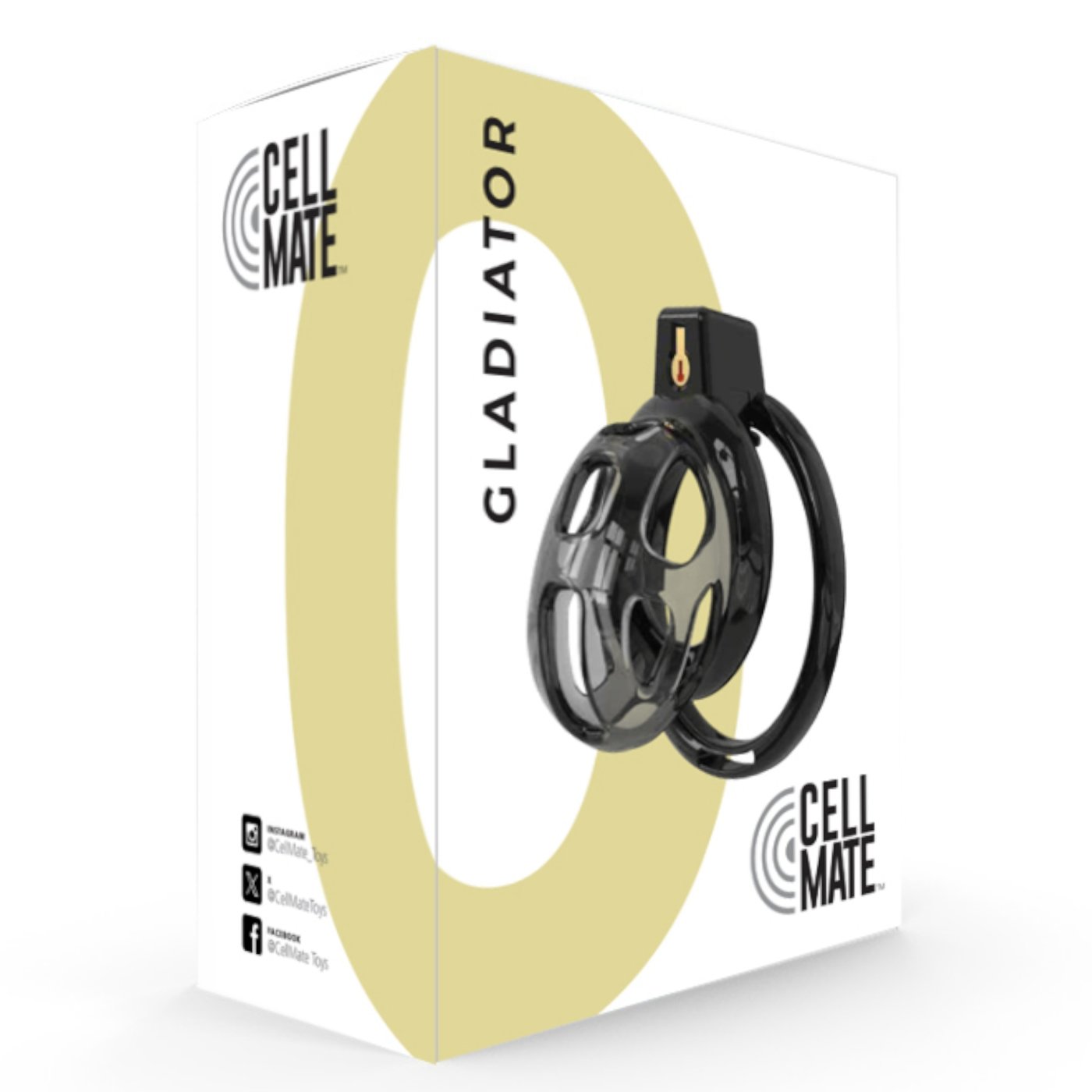
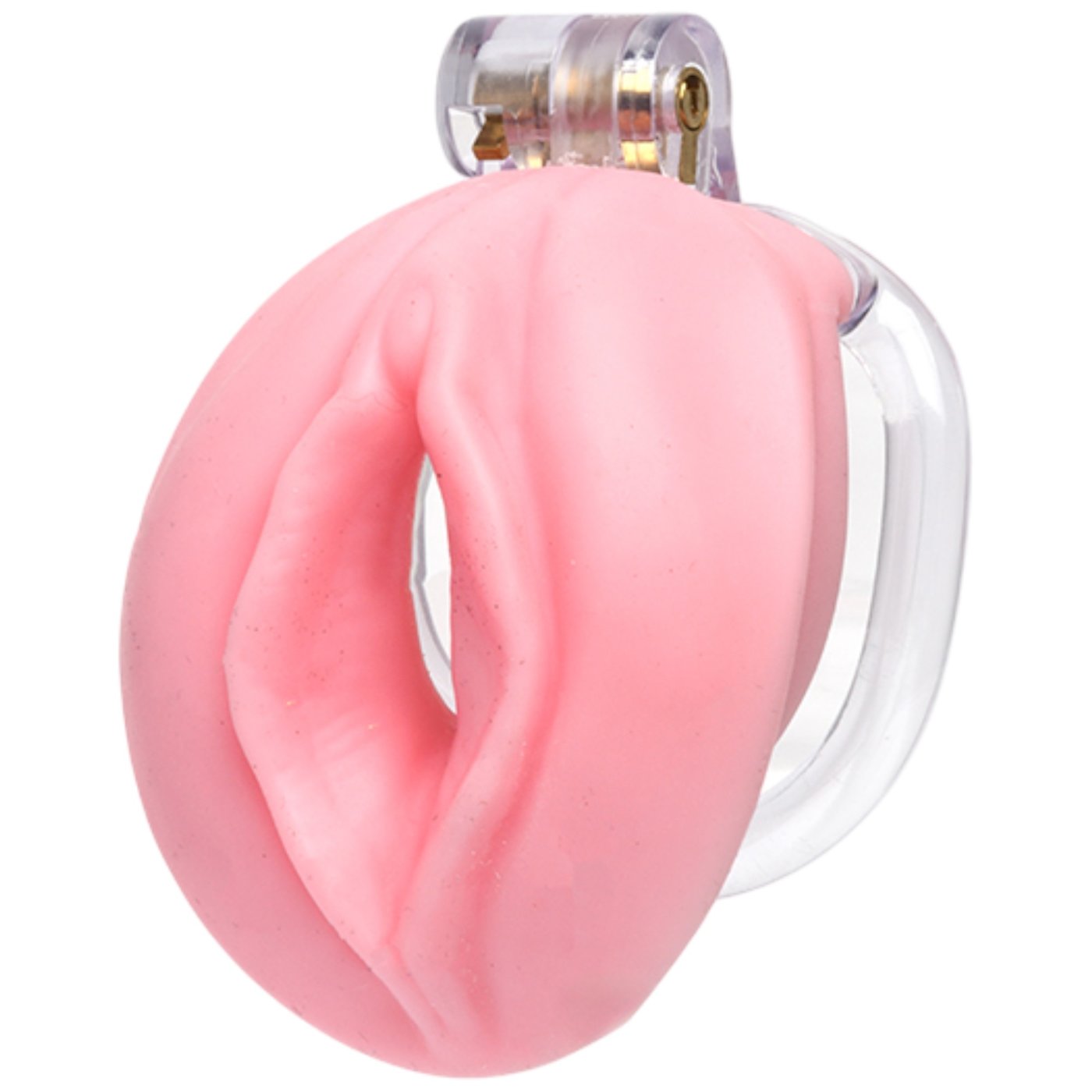
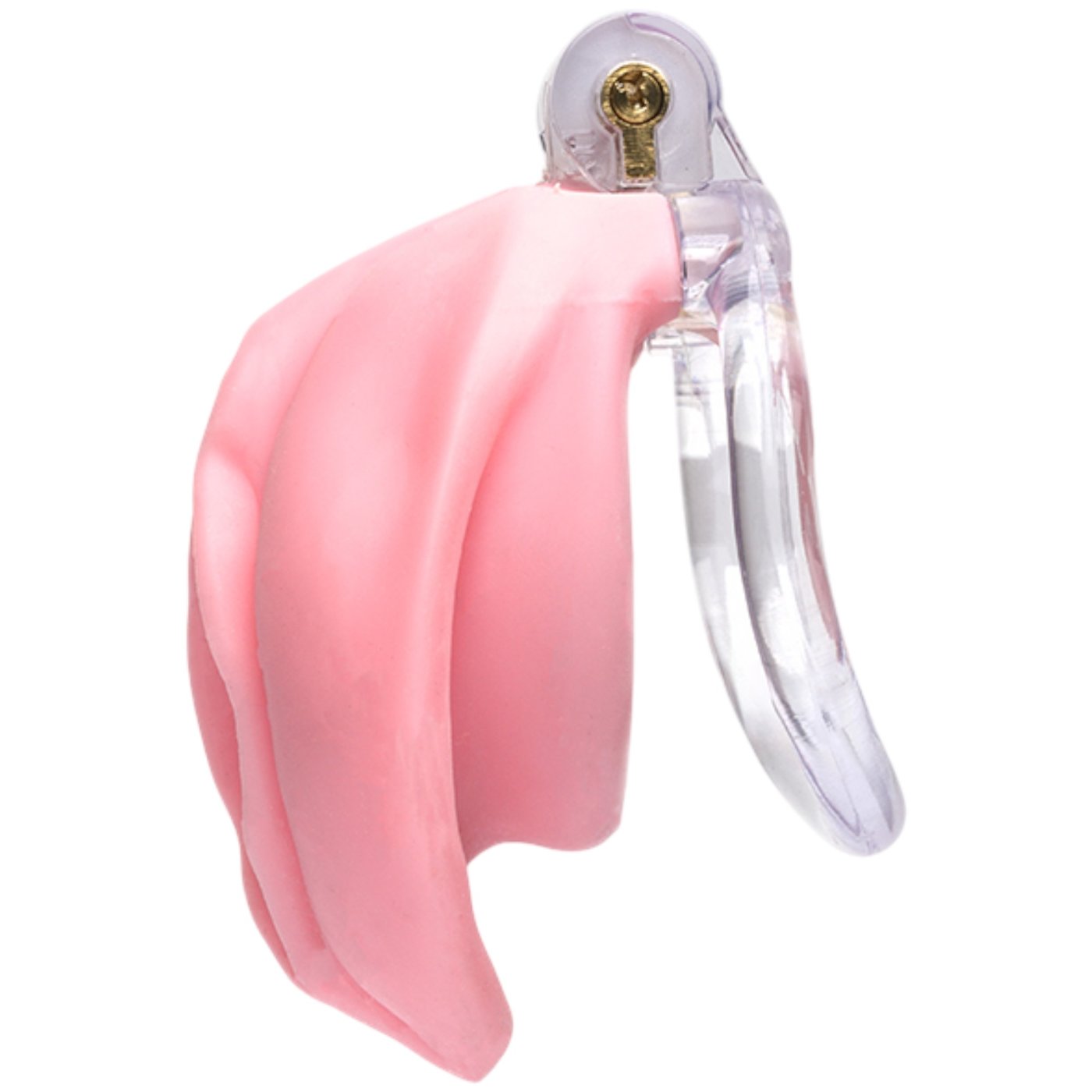
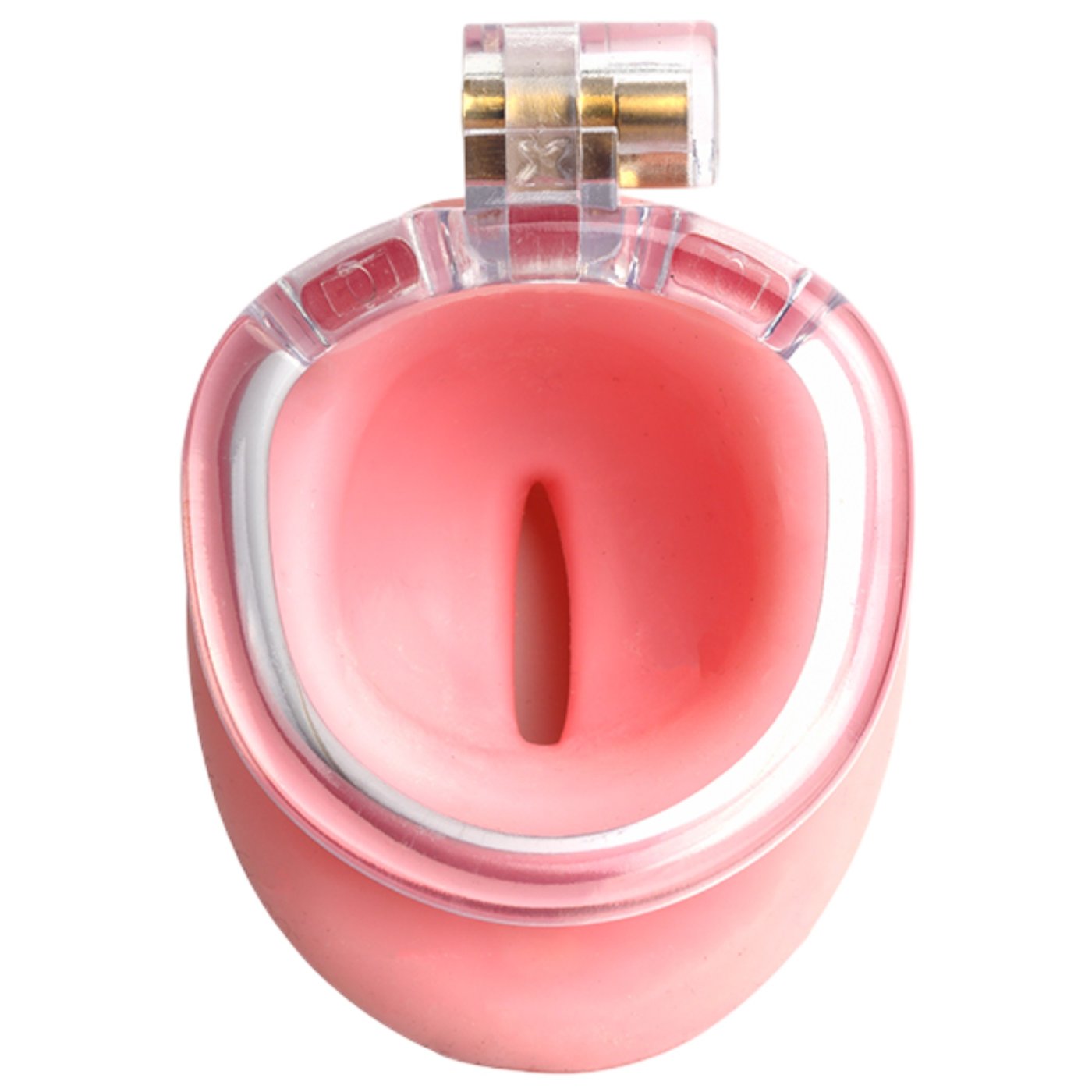
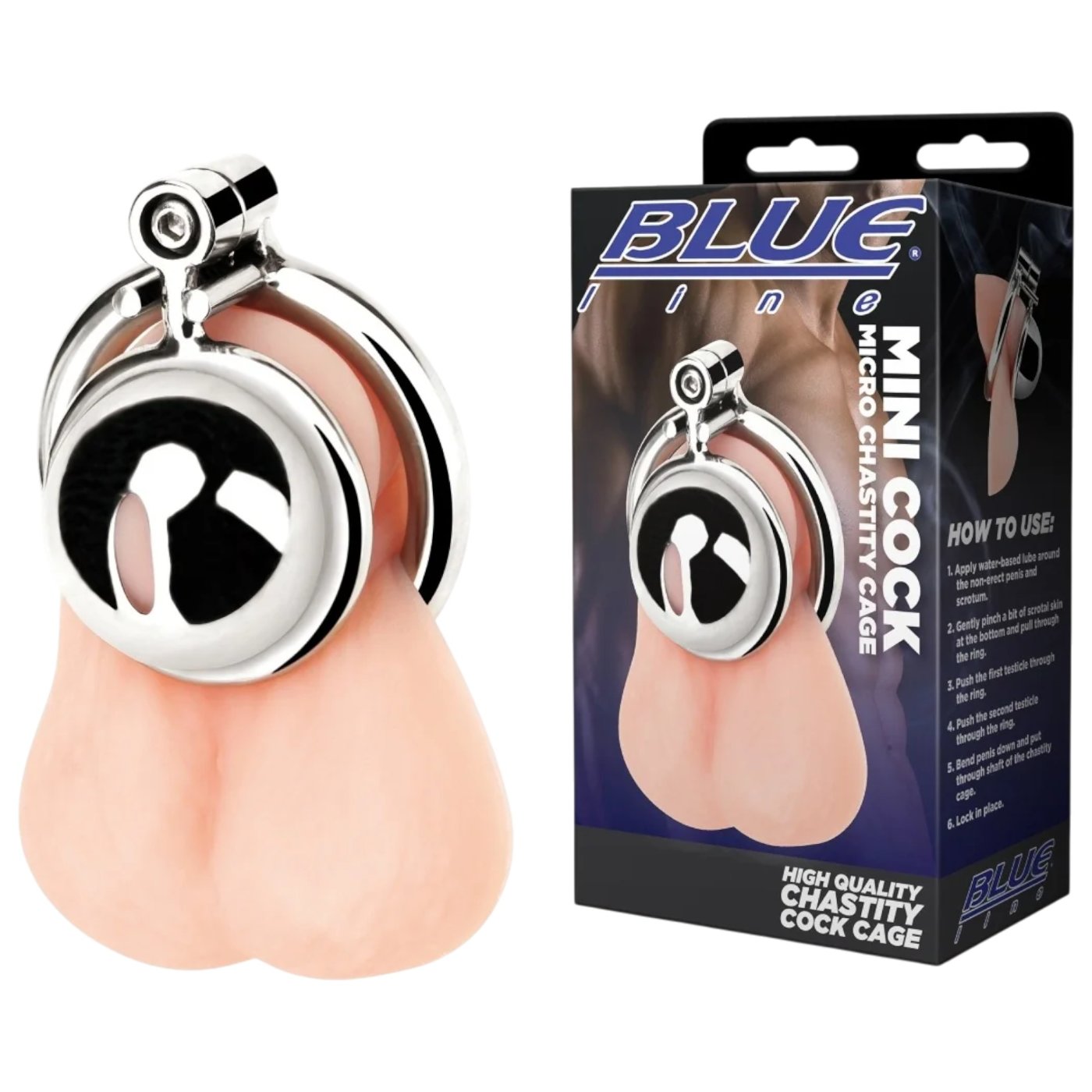
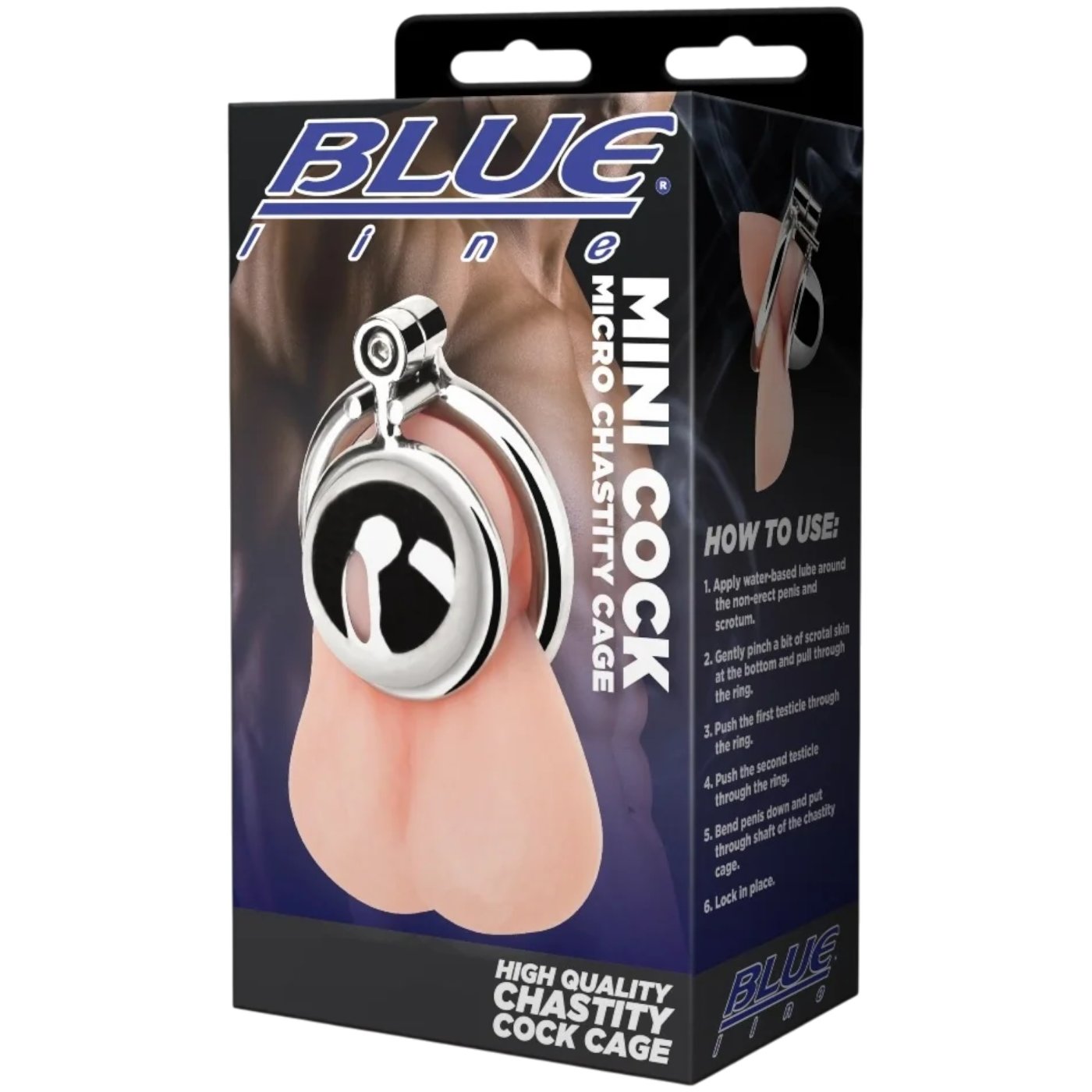
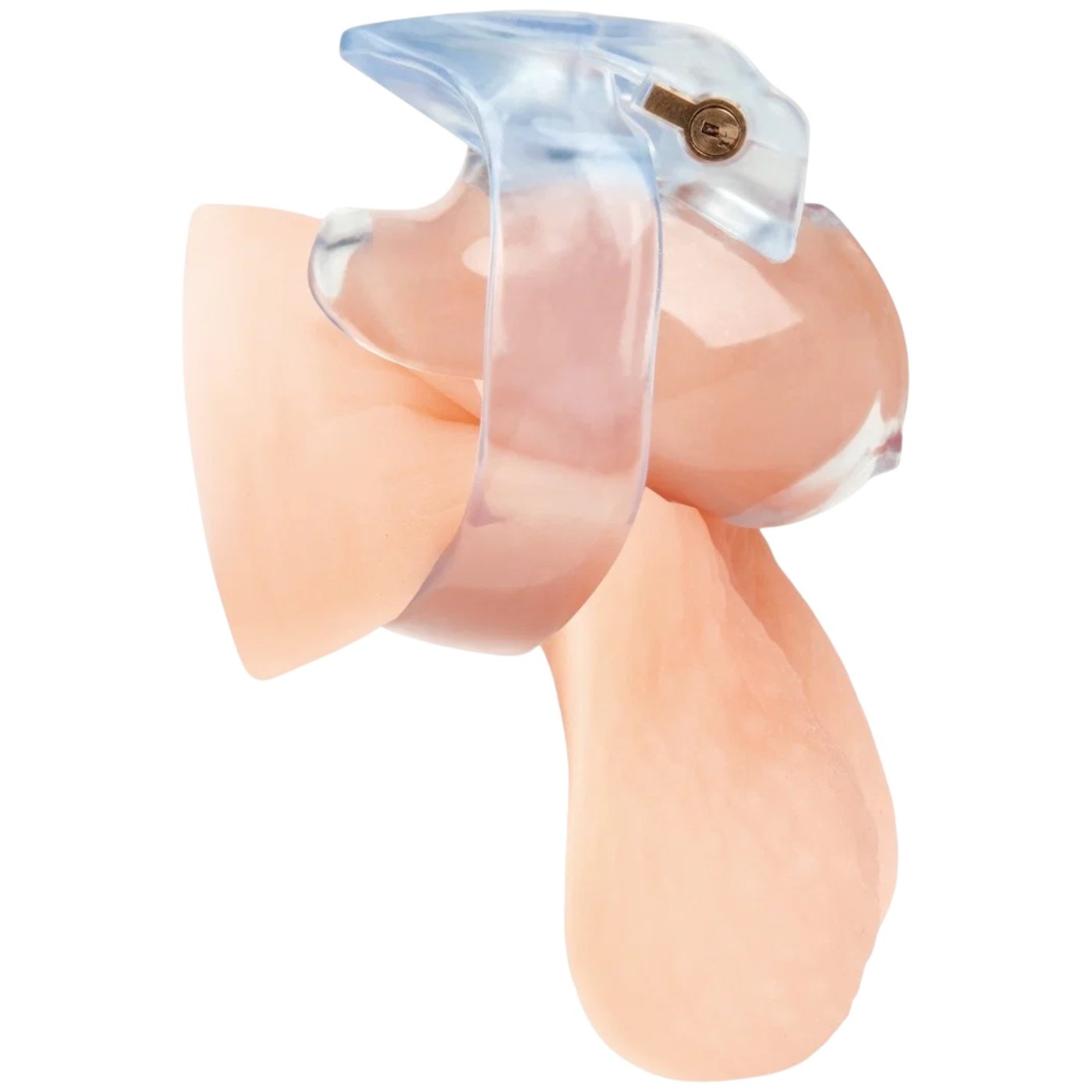
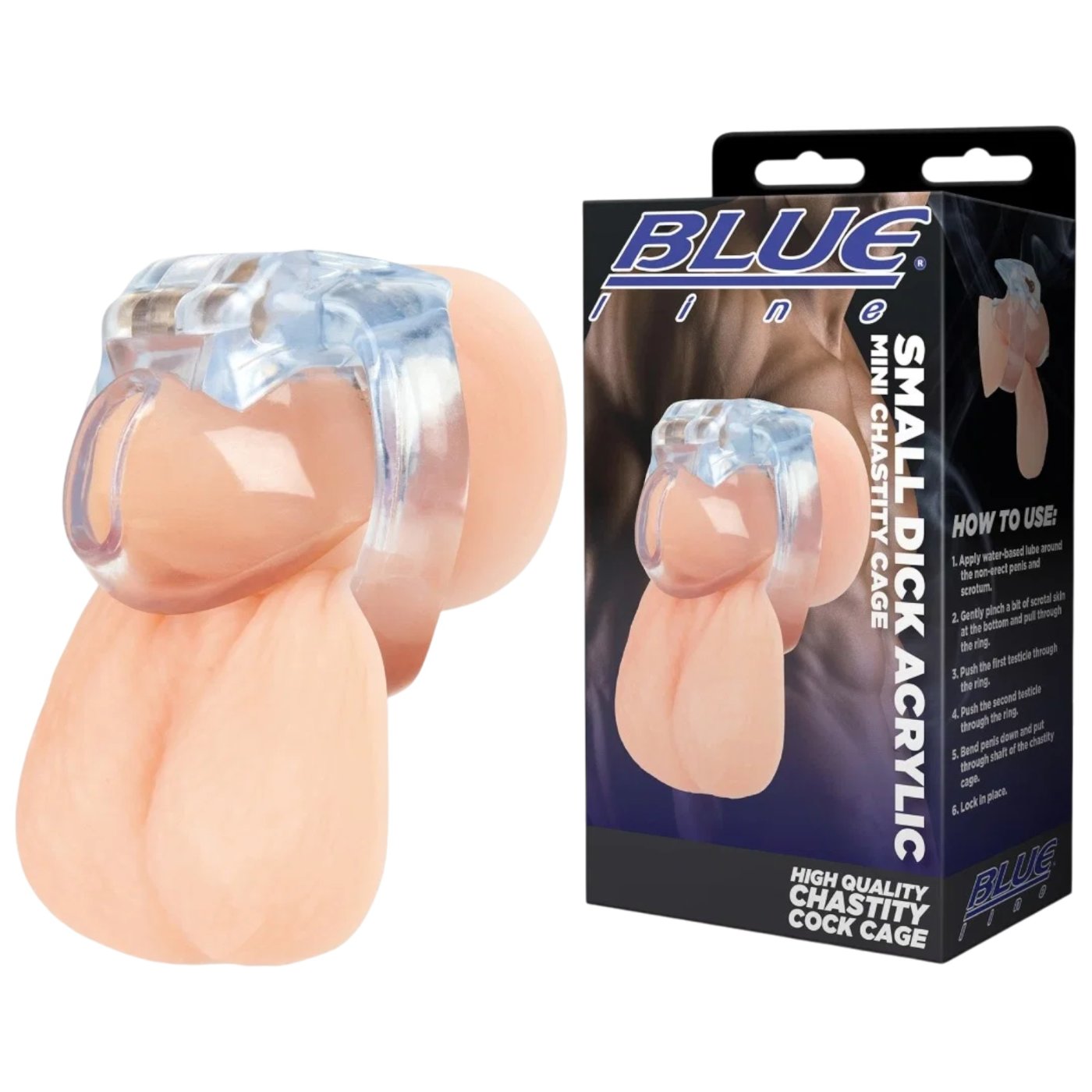
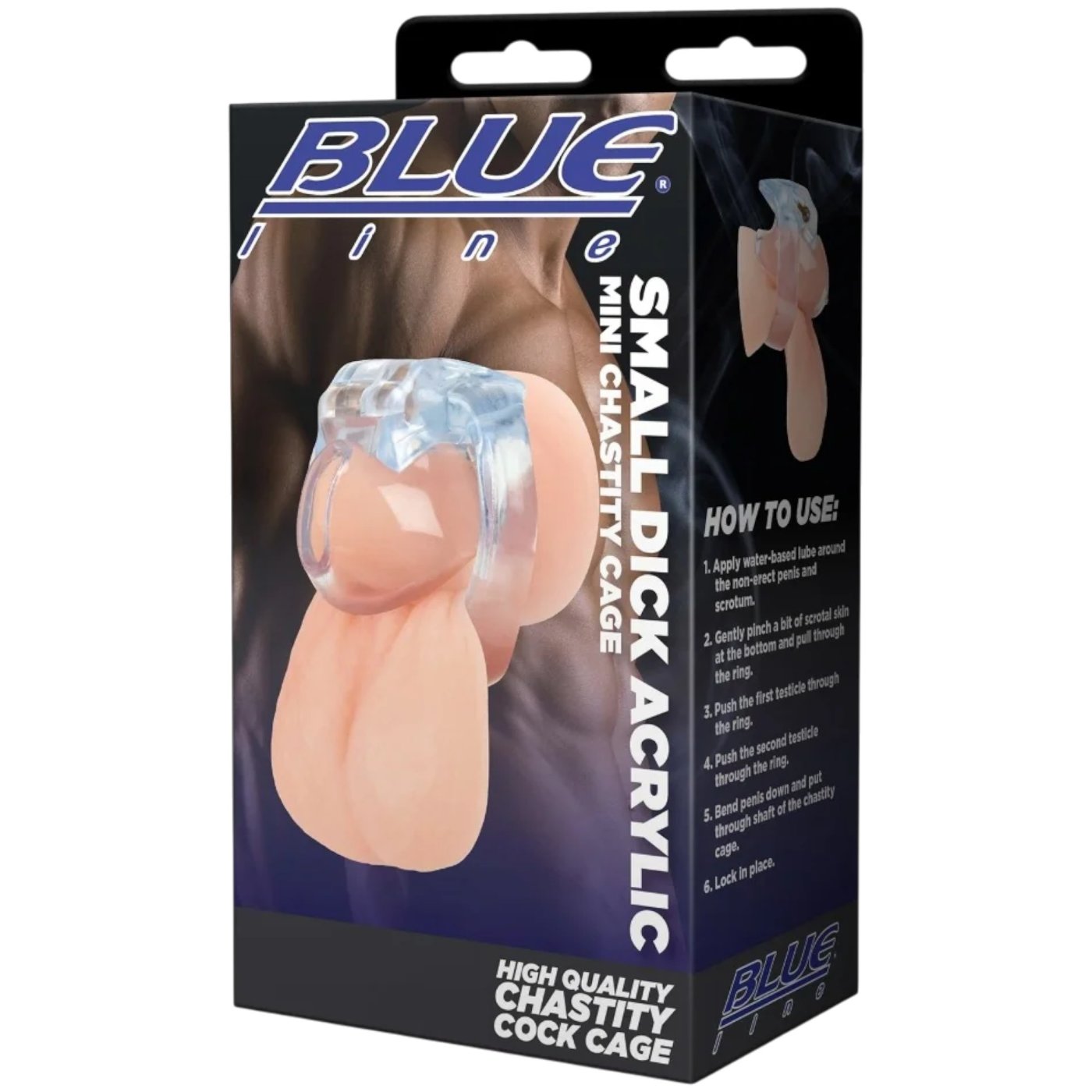
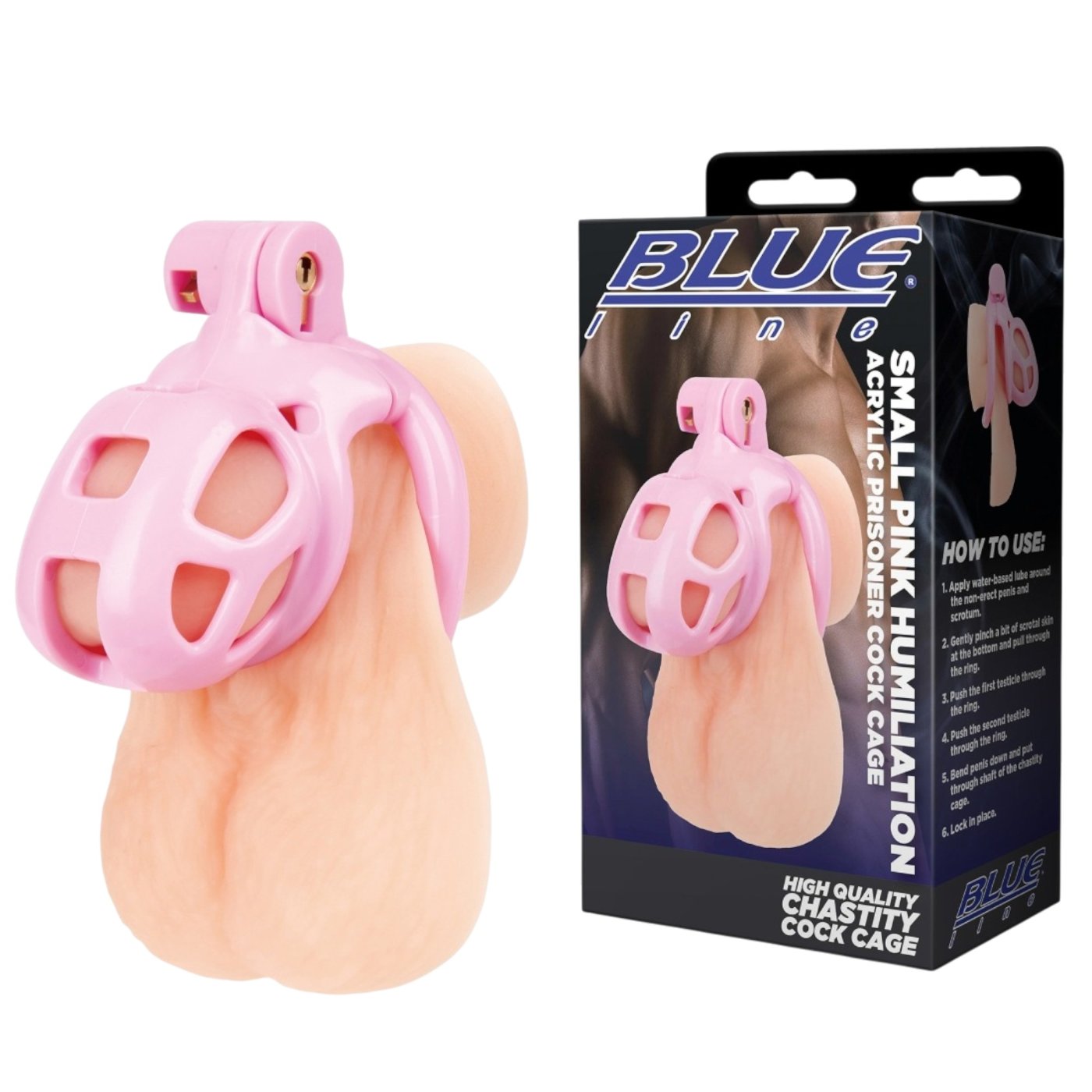
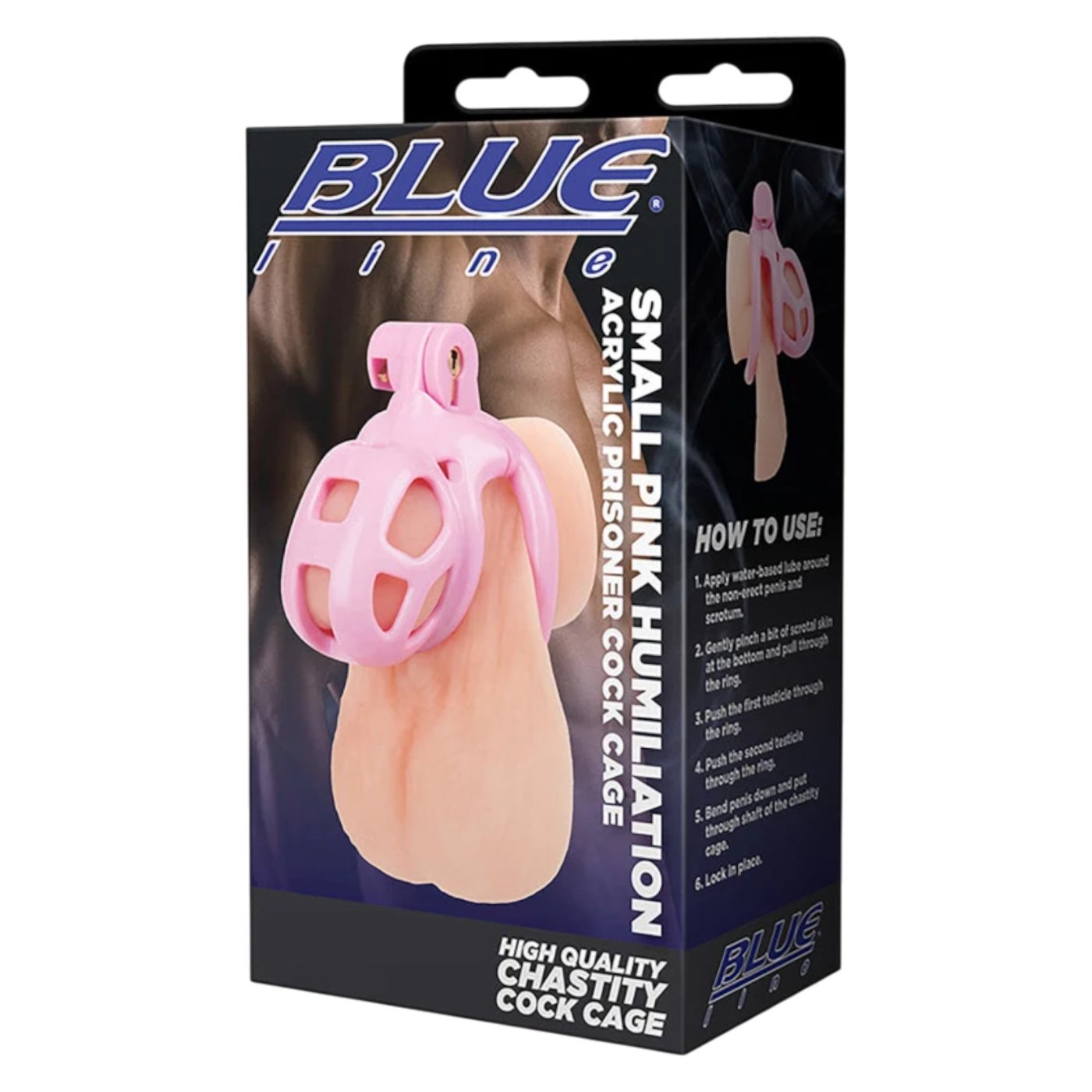
Small chastity cages suit people looking for a shorter internal chamber and a closer, lower-profile fit. Browse short, micro, flat and inverted designs, then compare the cage, base-ring and gap measurements before choosing a model.

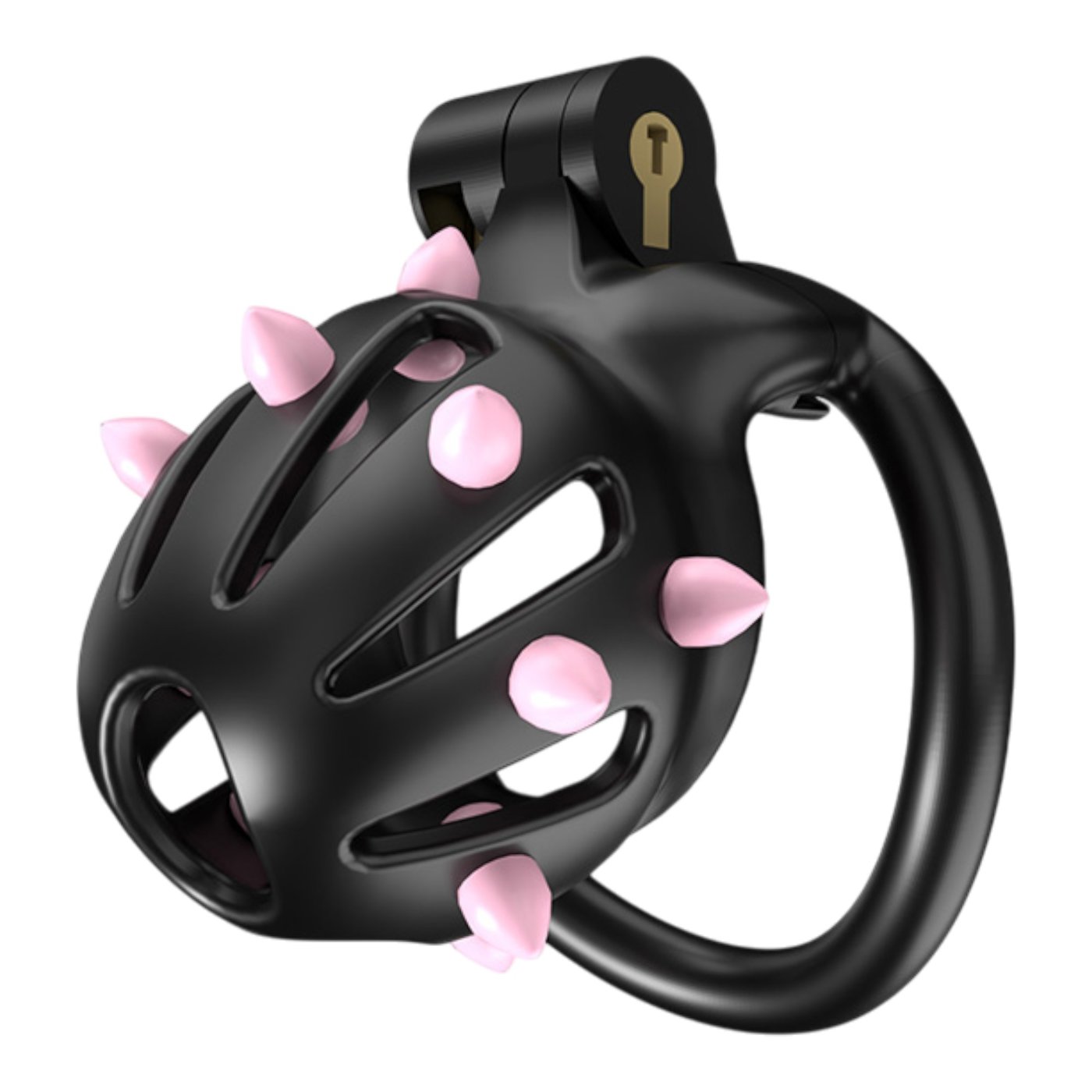
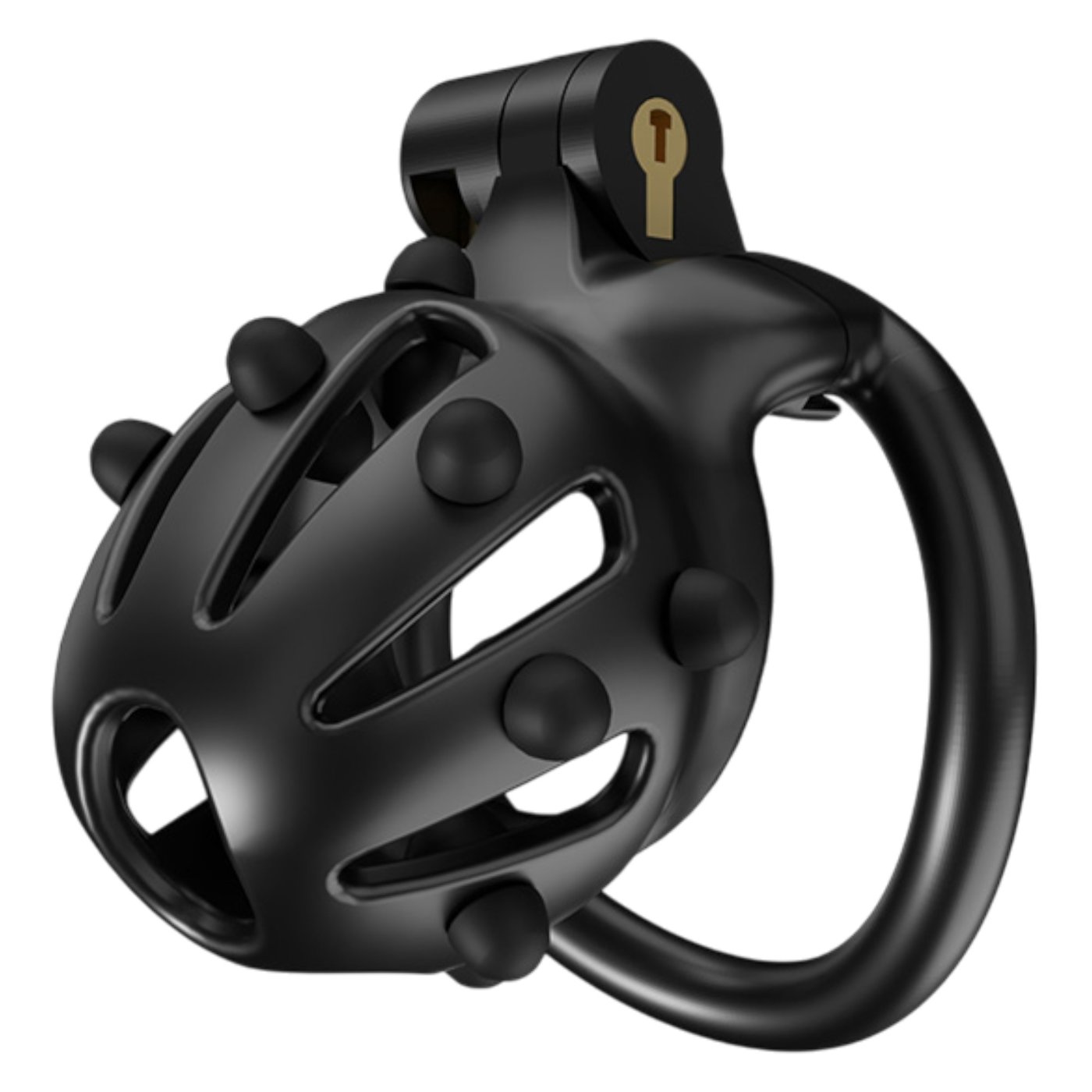
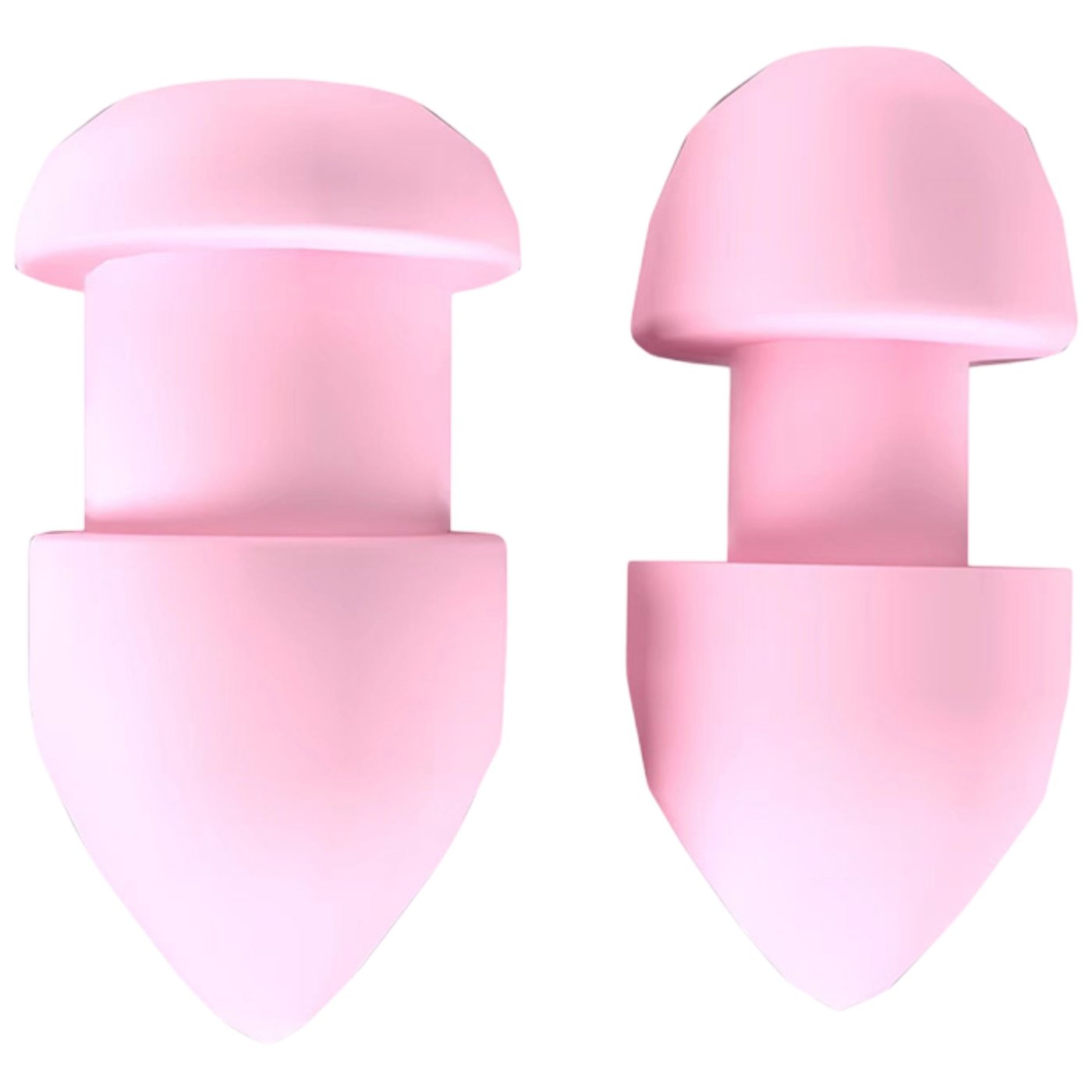
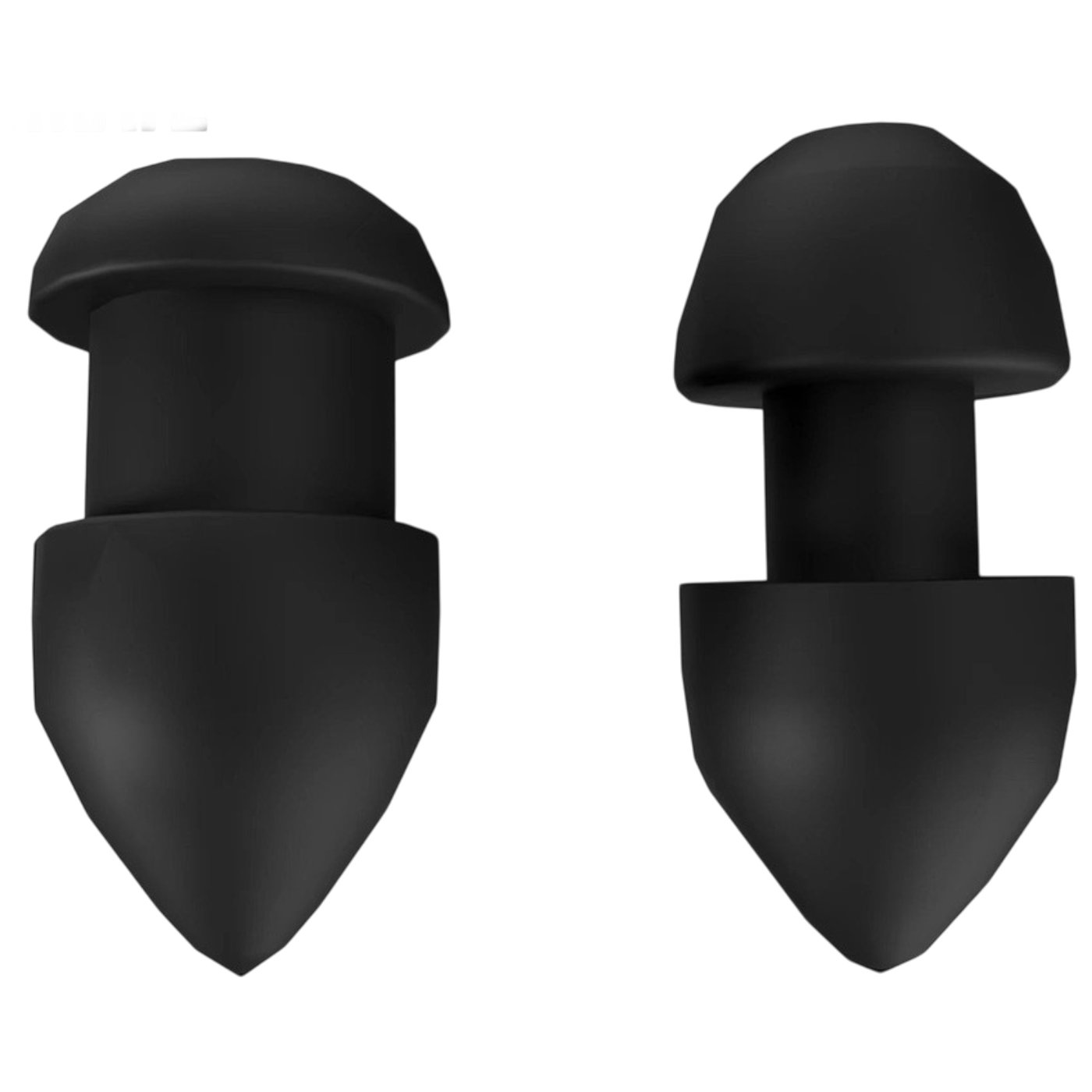
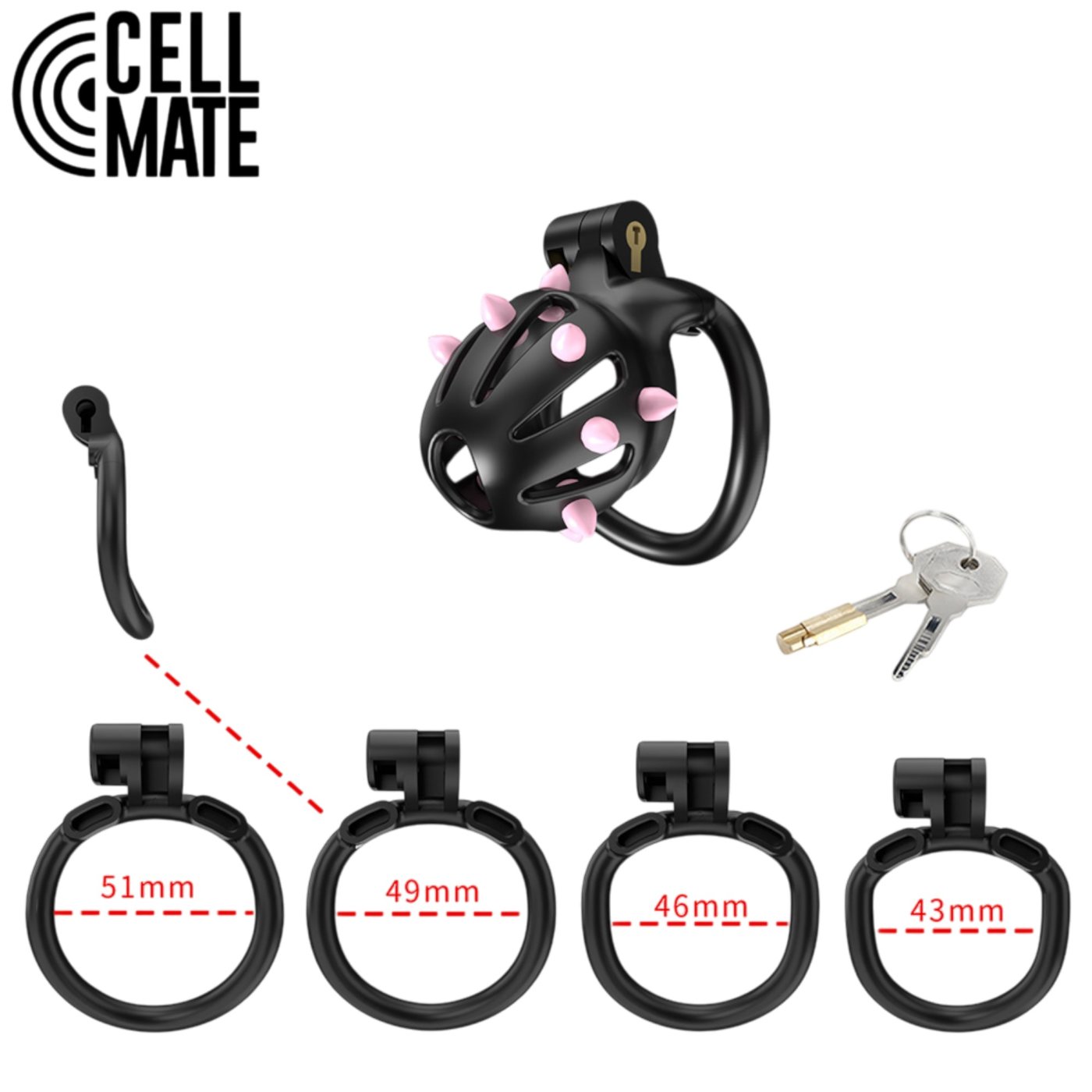
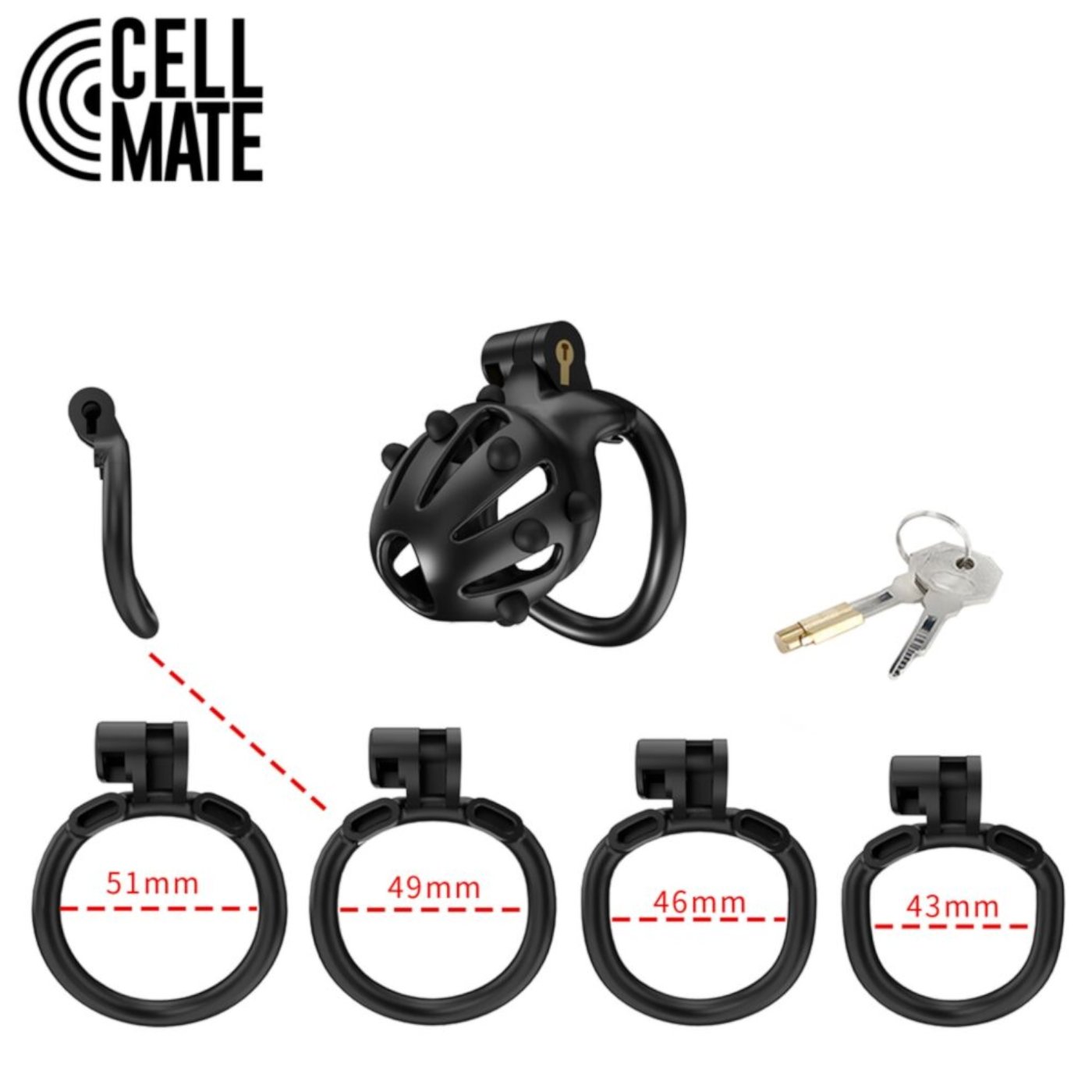
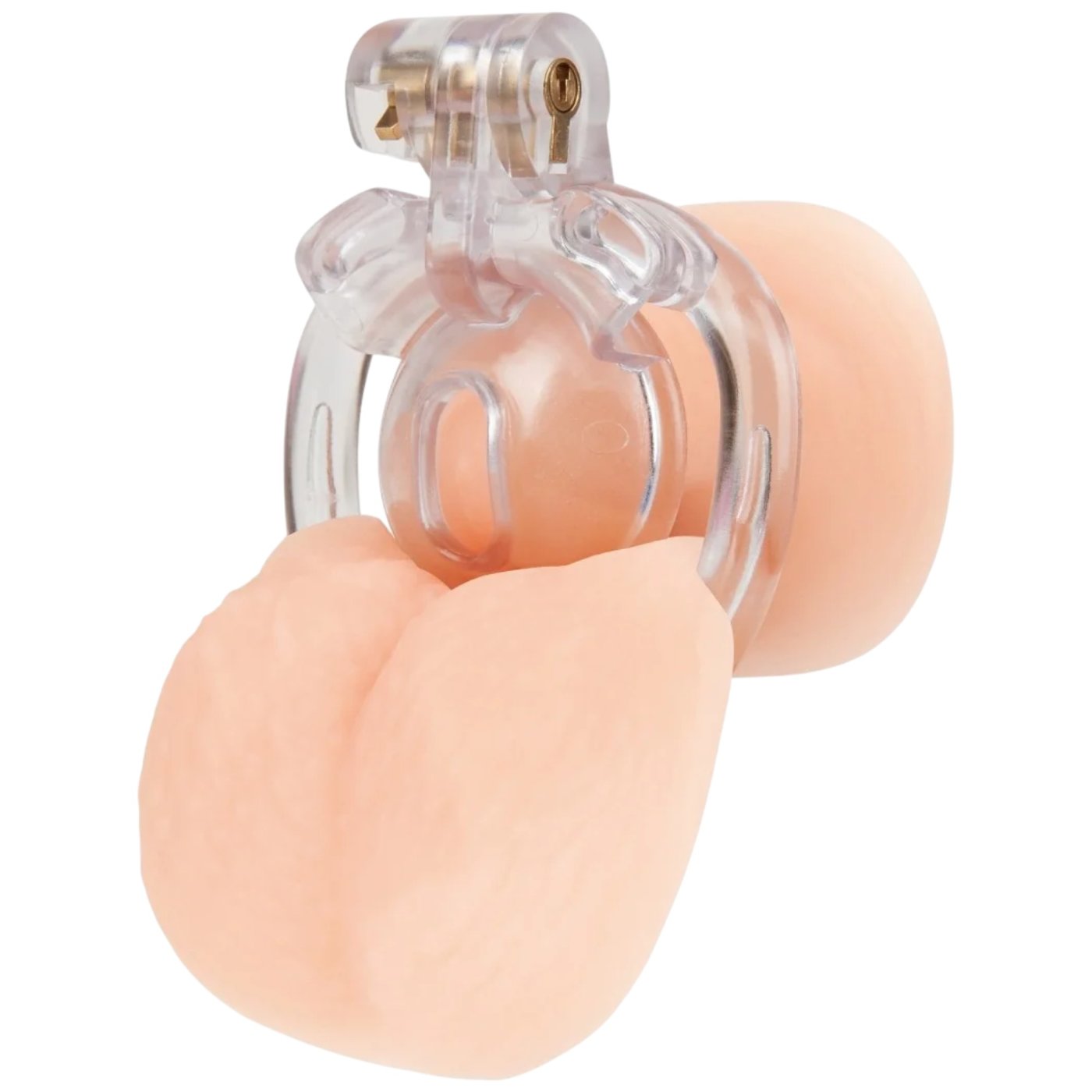
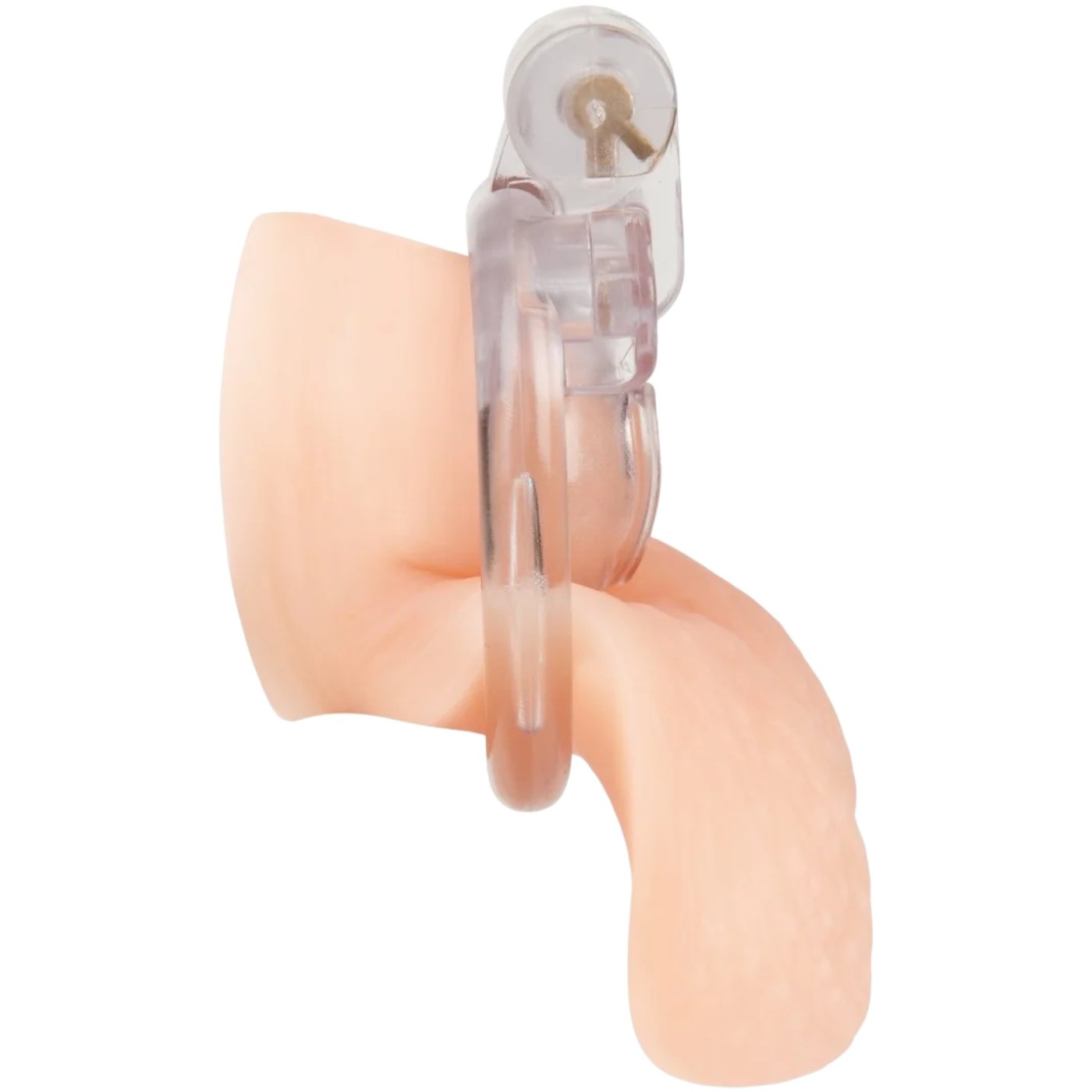
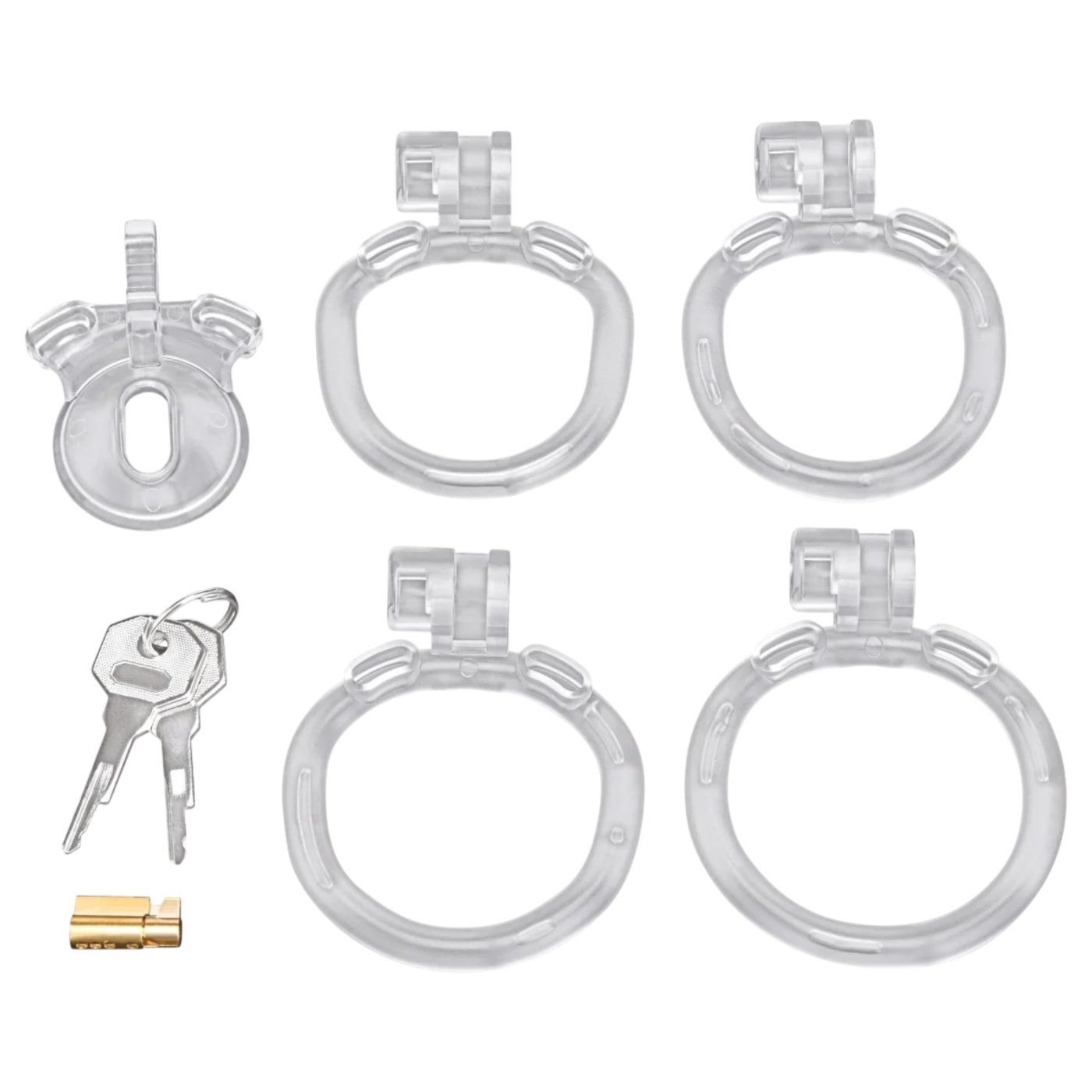
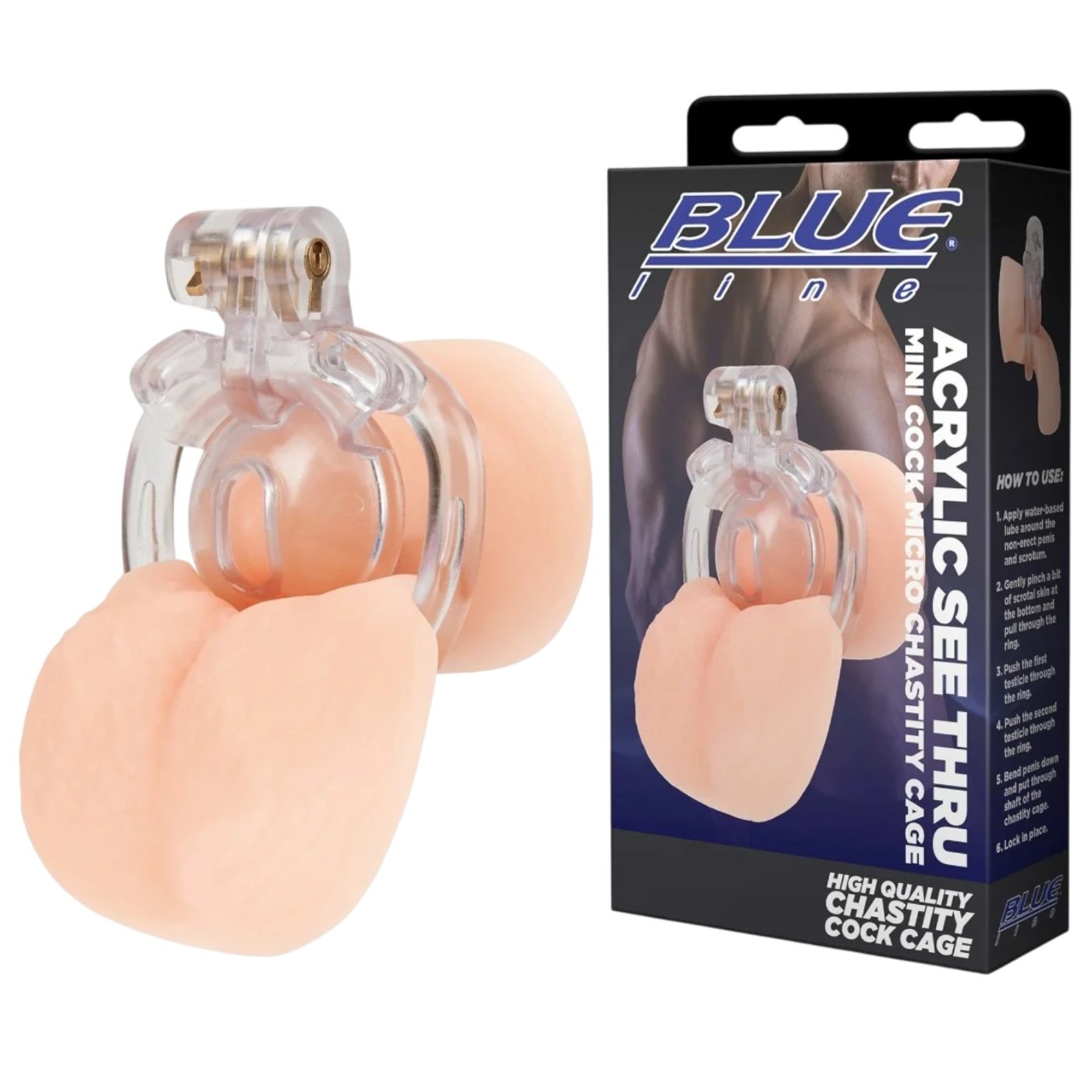
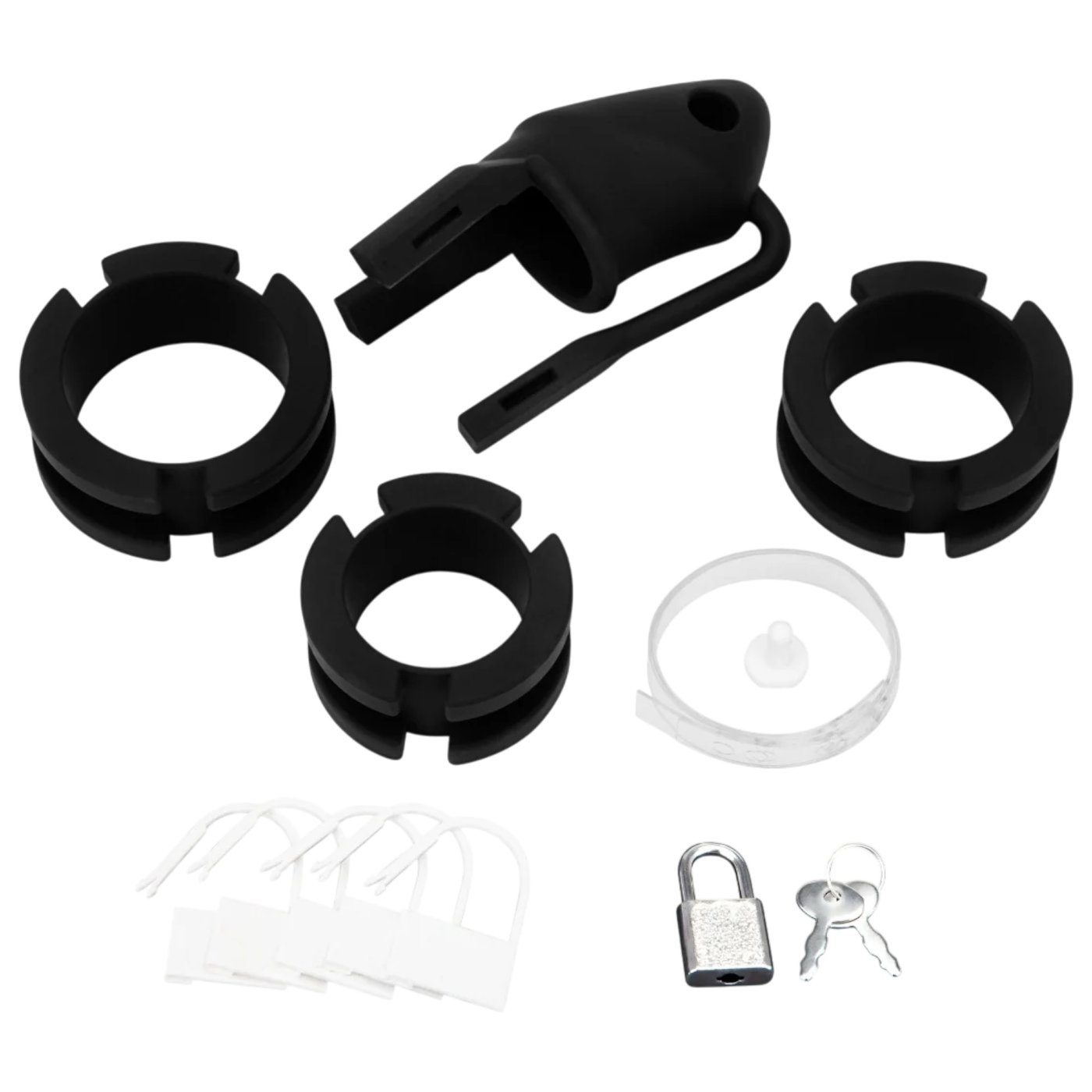
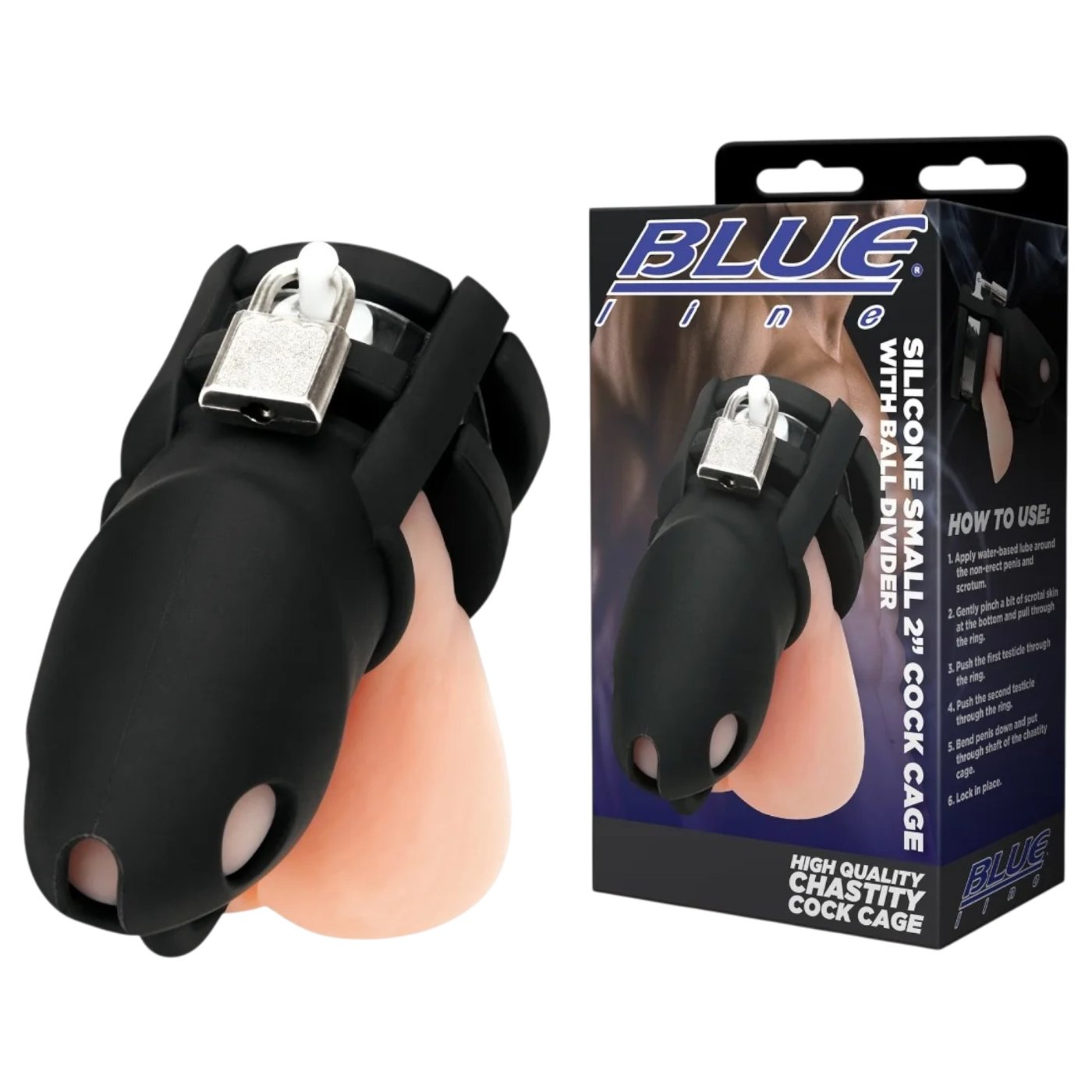
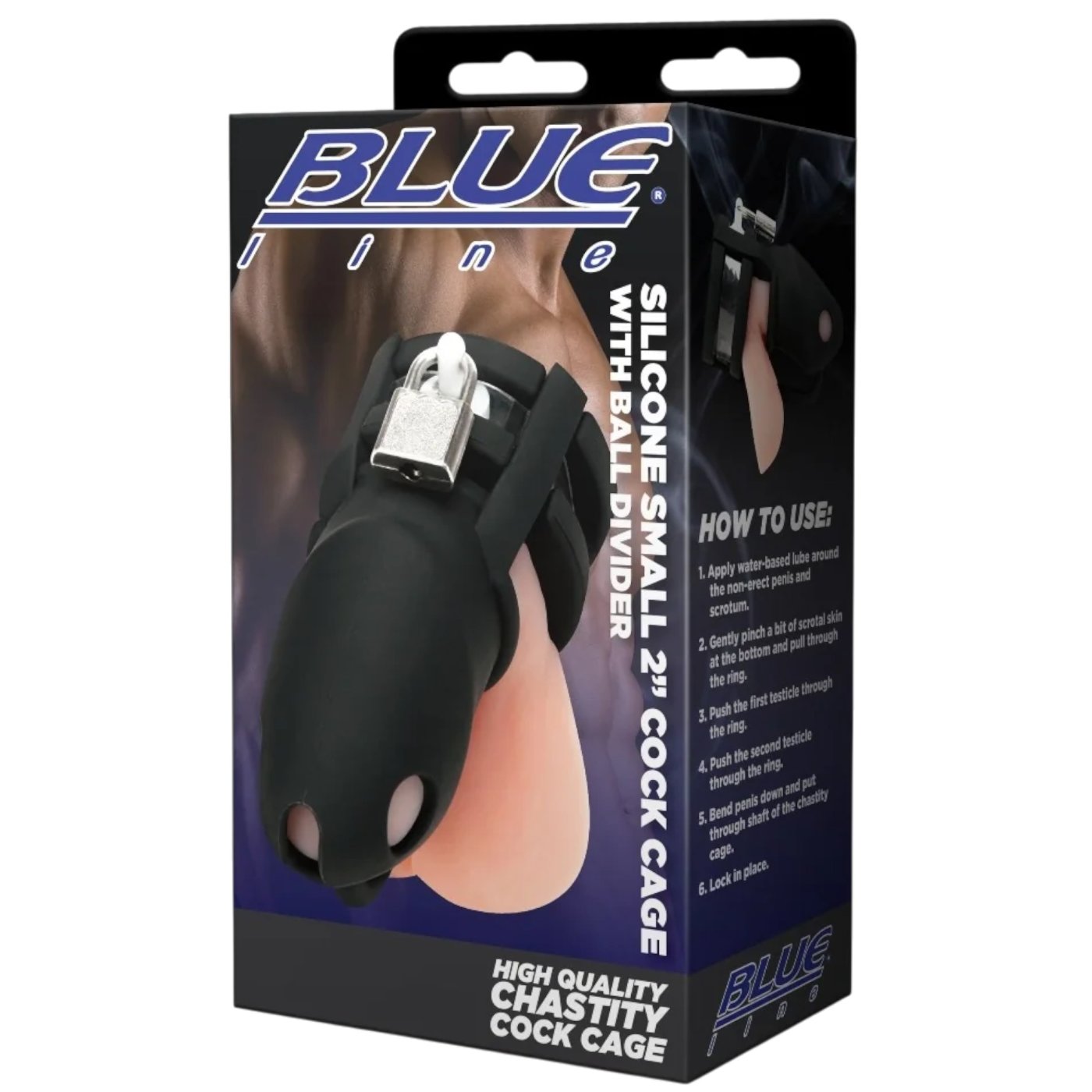
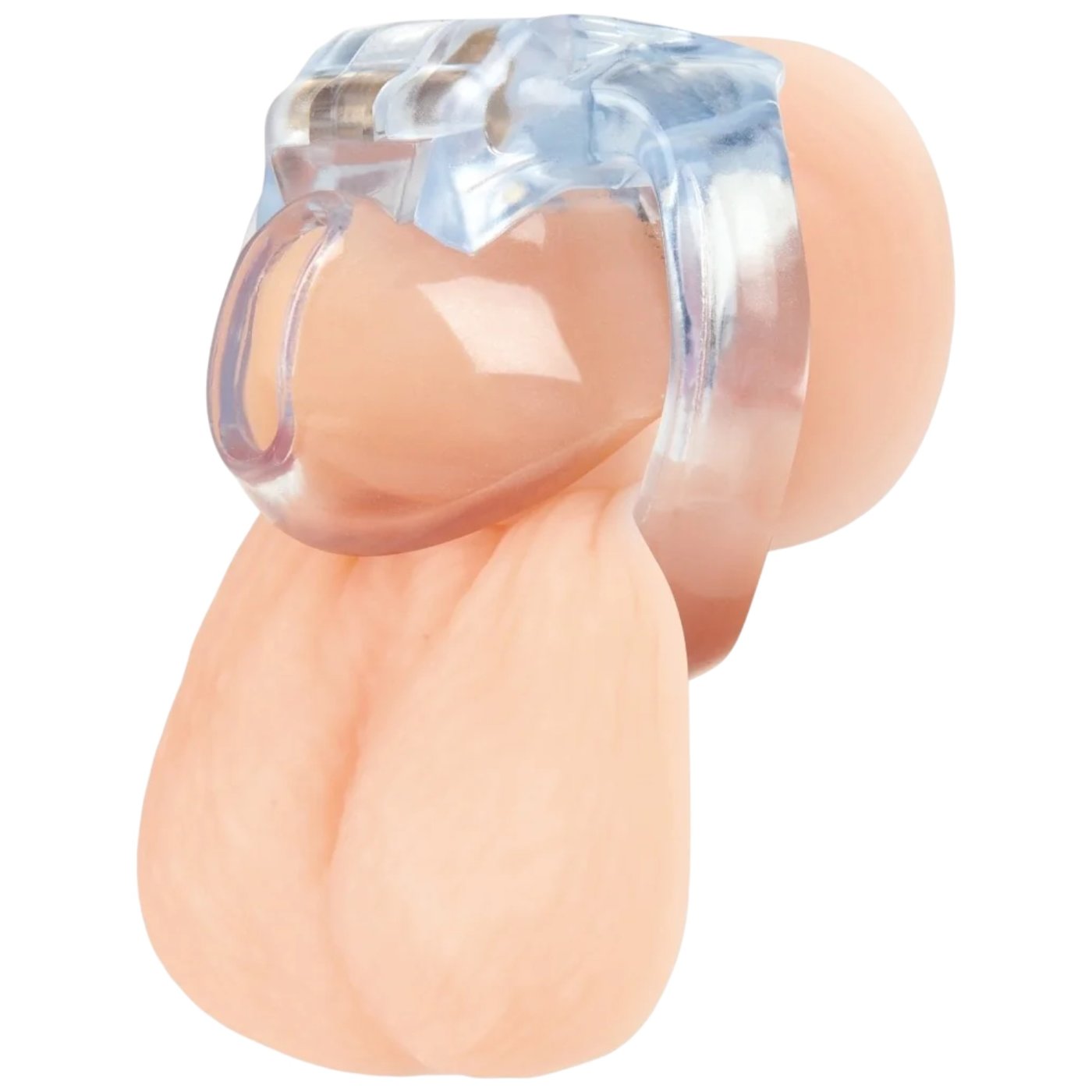
How to Choose a Small Chastity Cage
Terms such as small, tiny, short and micro make browsing easier, but they do not follow one standard size system. A tiny chastity cage from one brand may offer more internal space than a small model from another. Start with the measurements on the product page, not the name alone.
Measure the Space Inside the Cage
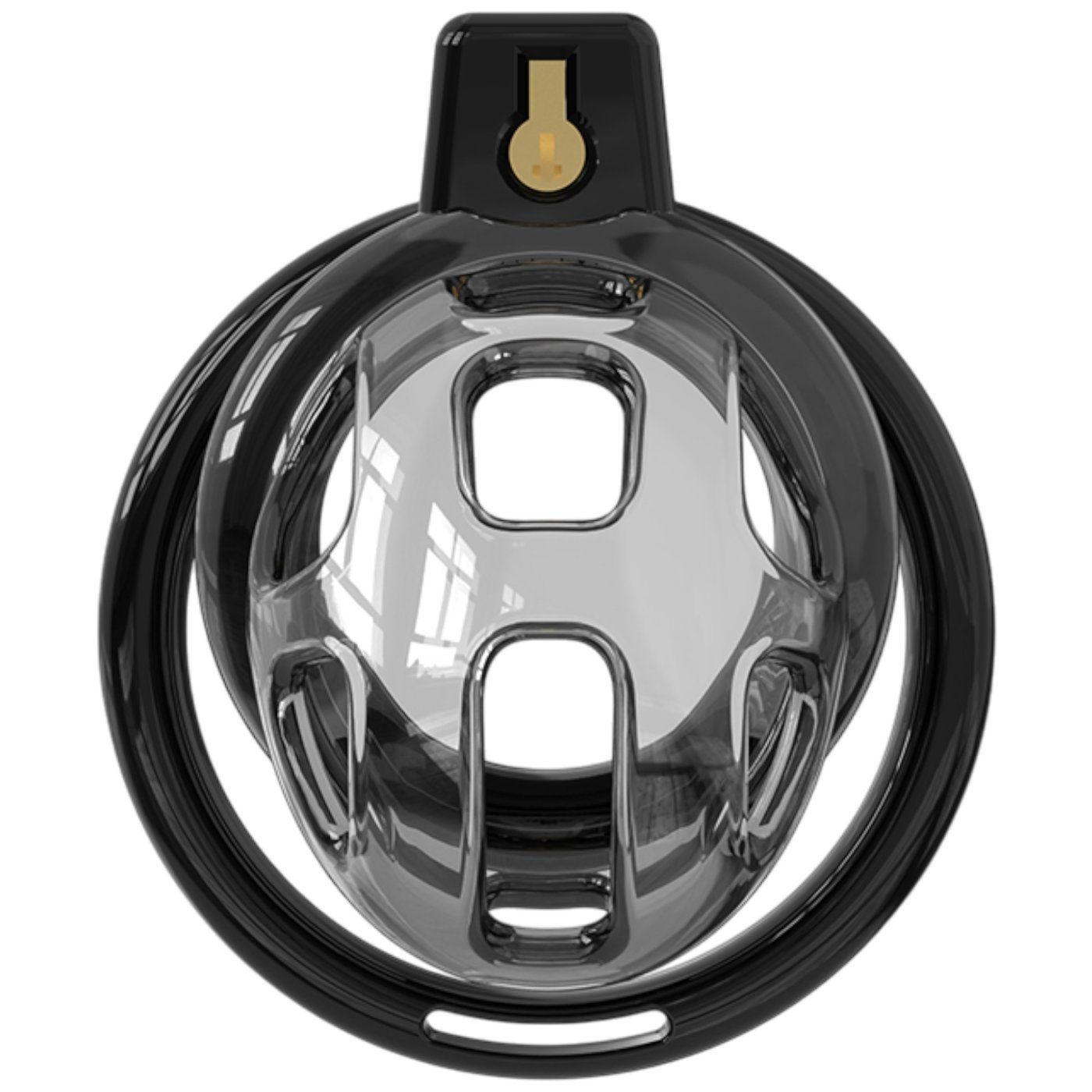
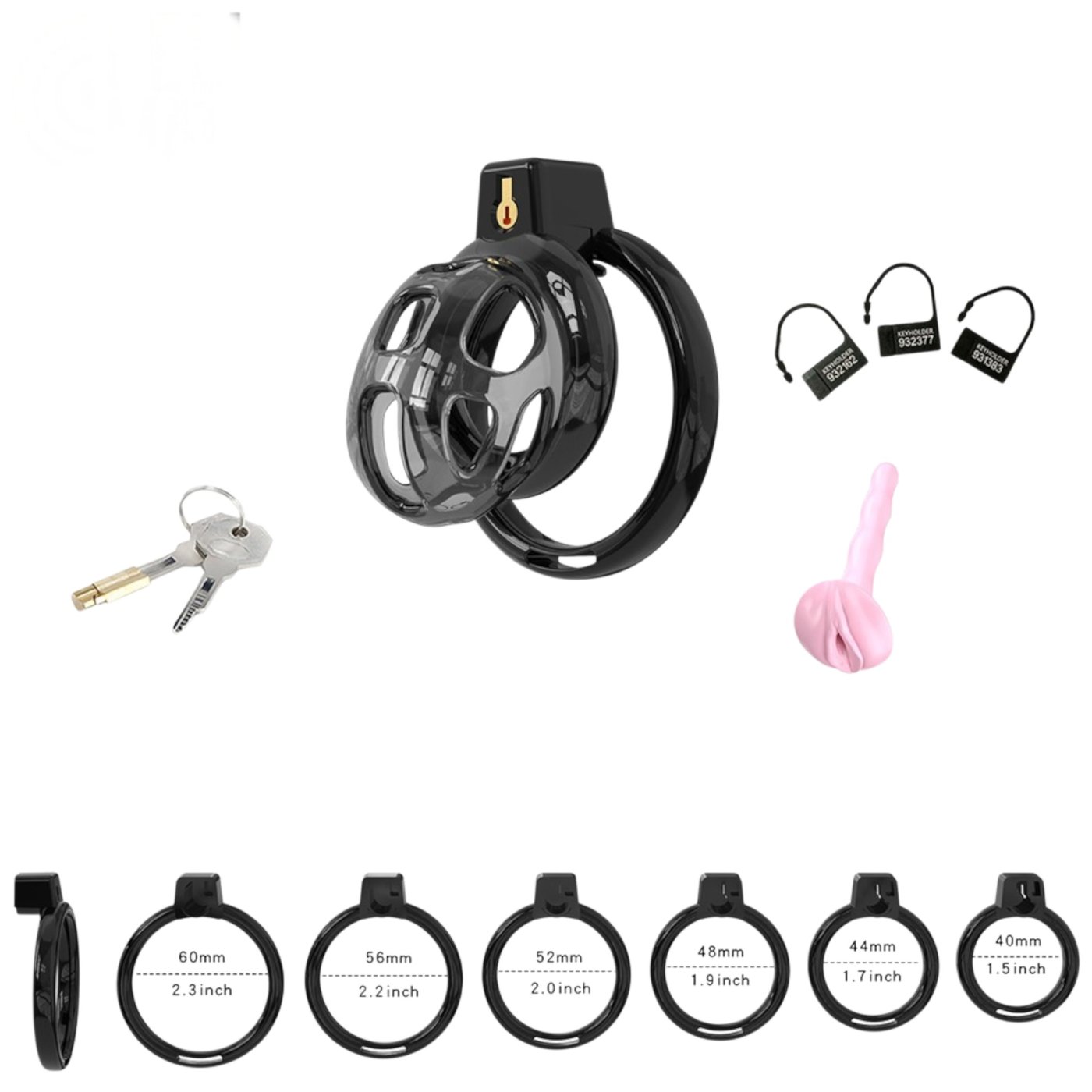
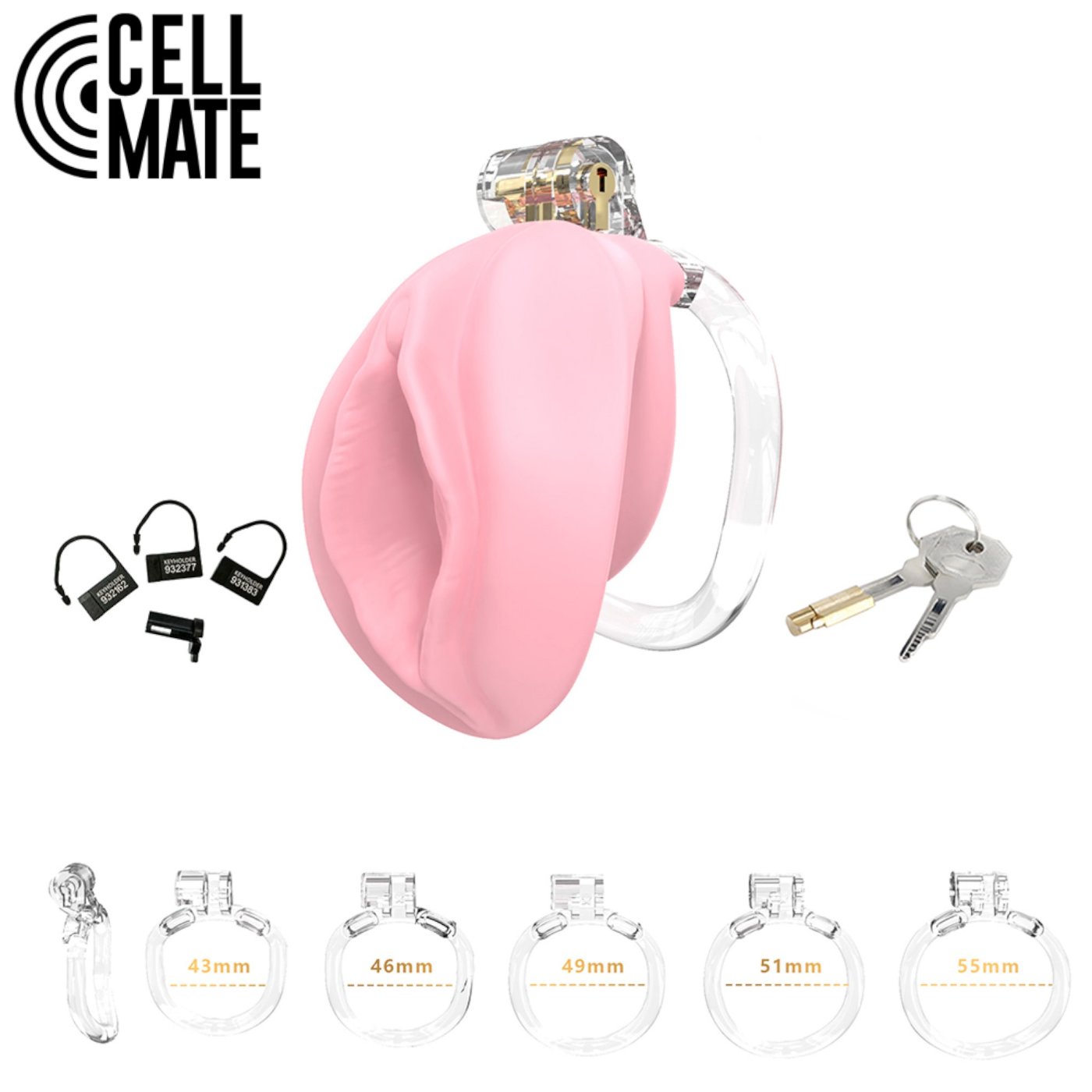
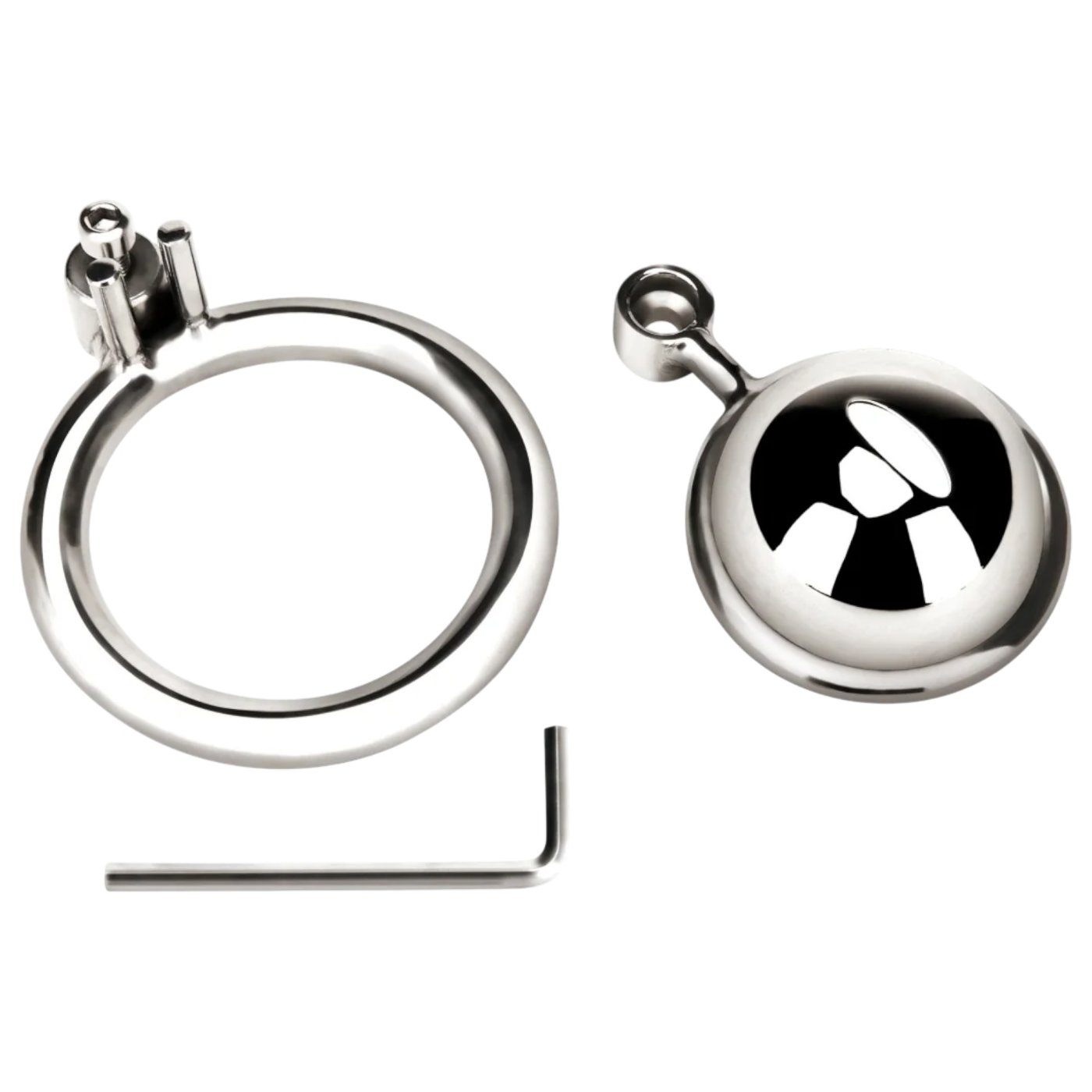
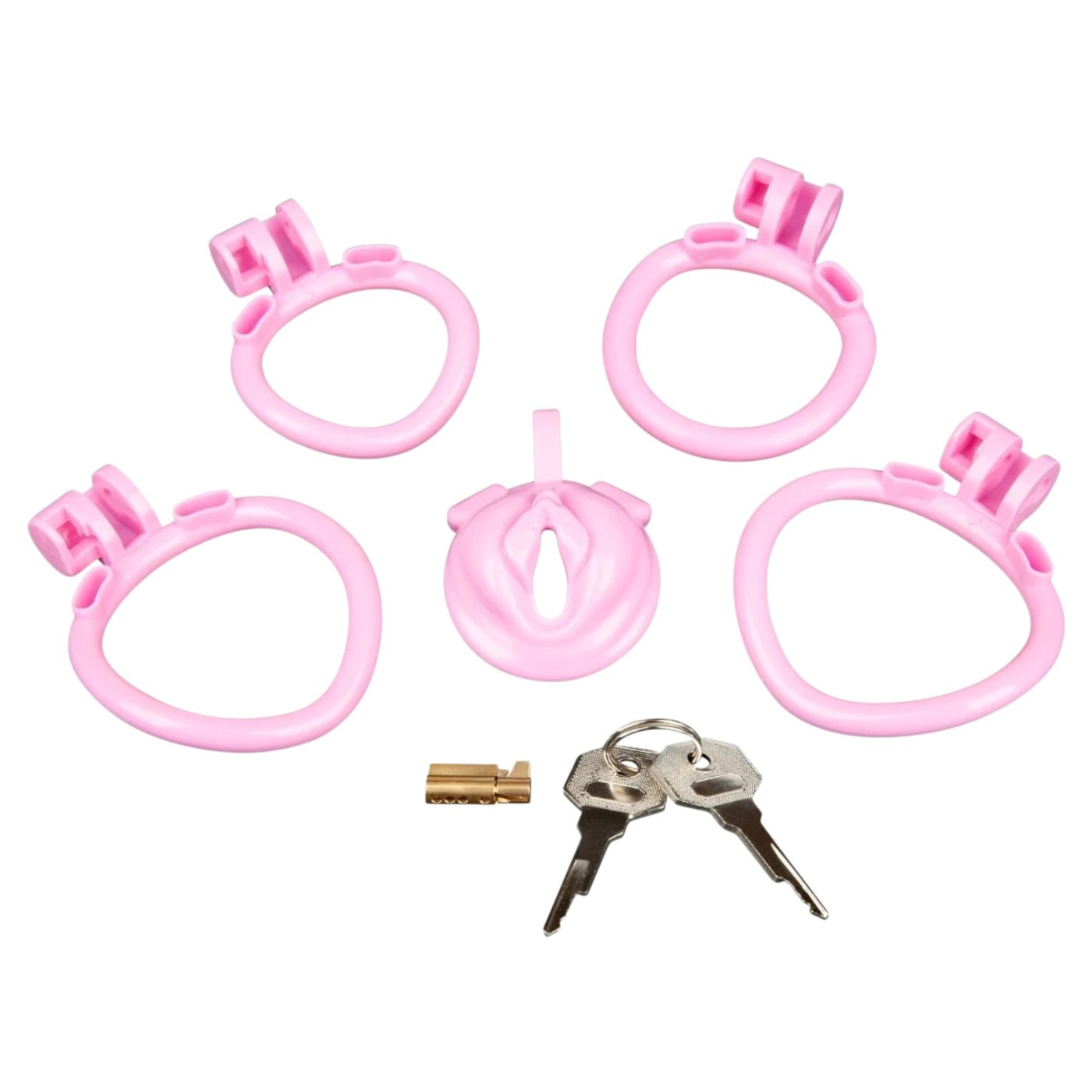
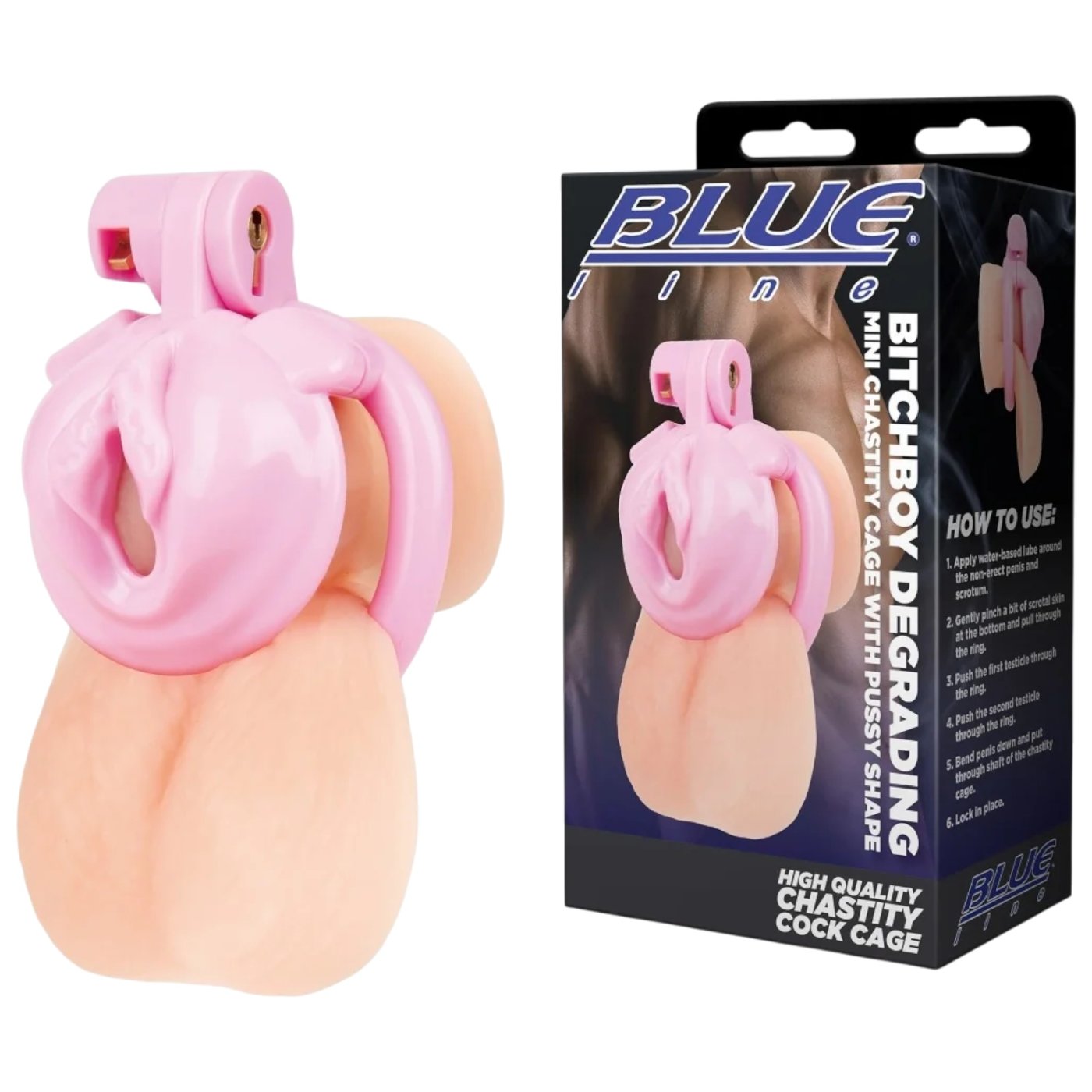
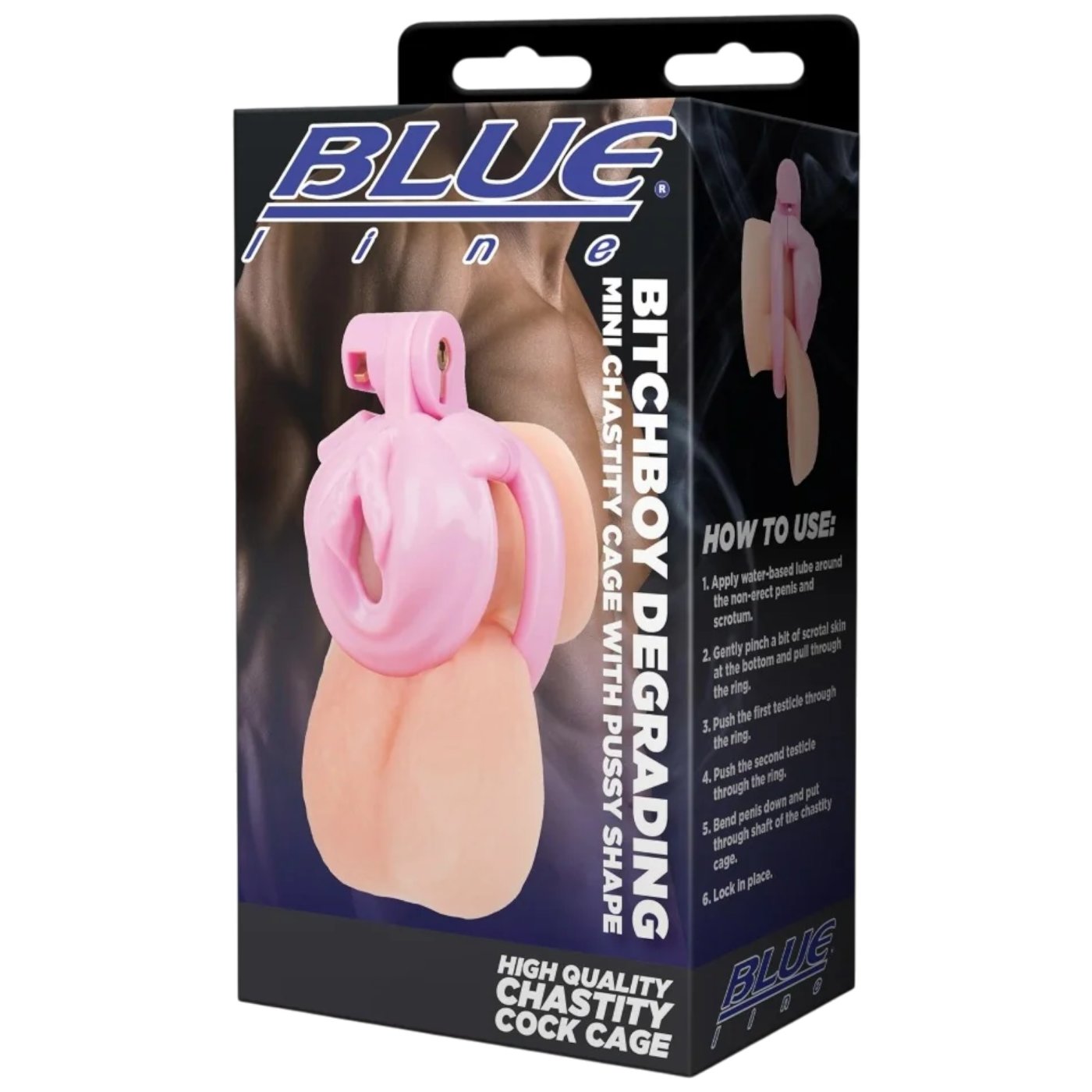
Check the internal length and width rather than relying only on the overall dimensions. Then review the base-ring diameter and the gap between the ring and cage. These measurements work together and affect how securely the male chastity device sits.
The cage should rest close to the body without pinching, crushing or forcing the penis into an awkward angle. Do not choose a smaller size simply to create more pressure. Follow the measuring method supplied for the individual product, as brands may use different reference points.
Small, Micro, Flat and Inverted Designs
Compact chastity devices for men come in several profiles:
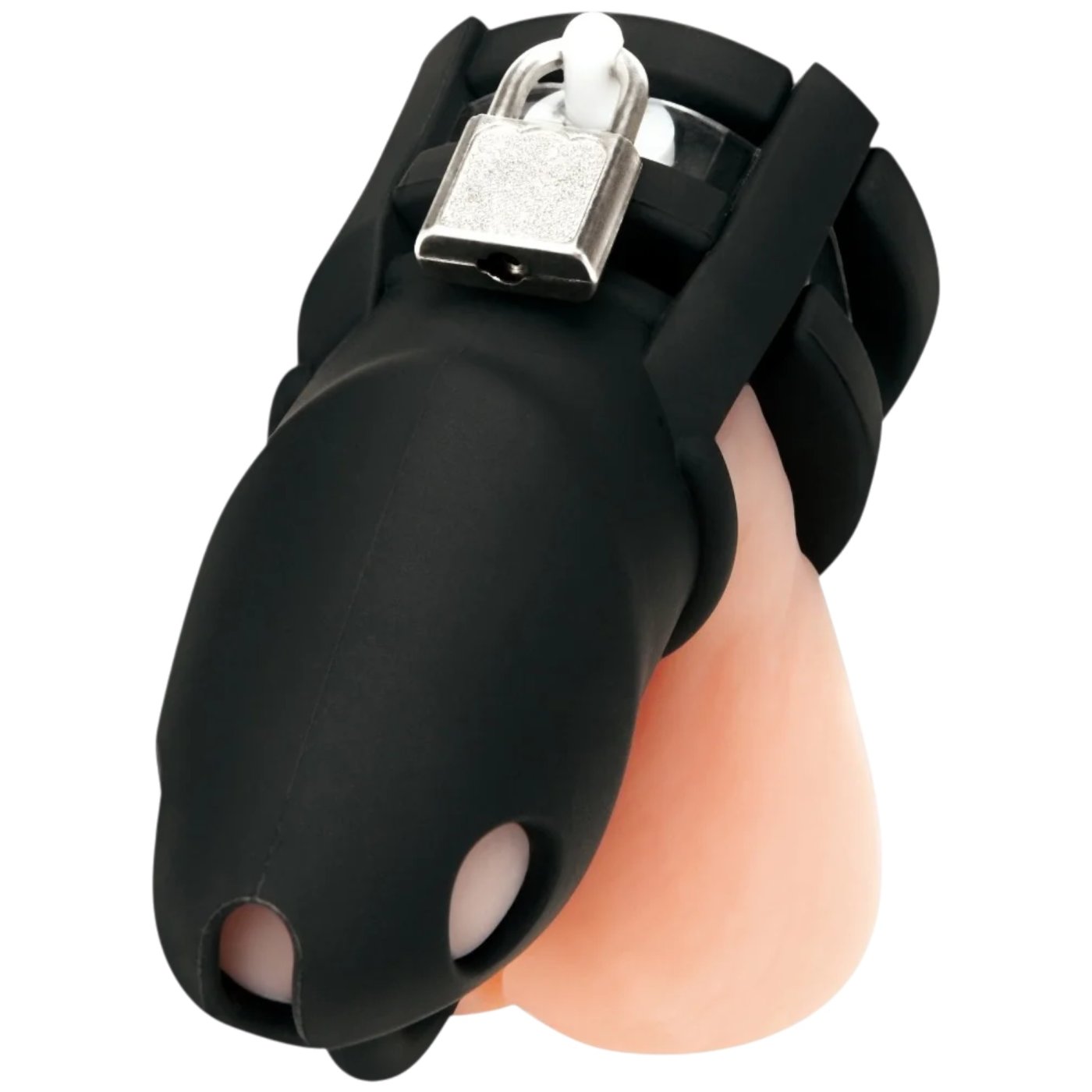
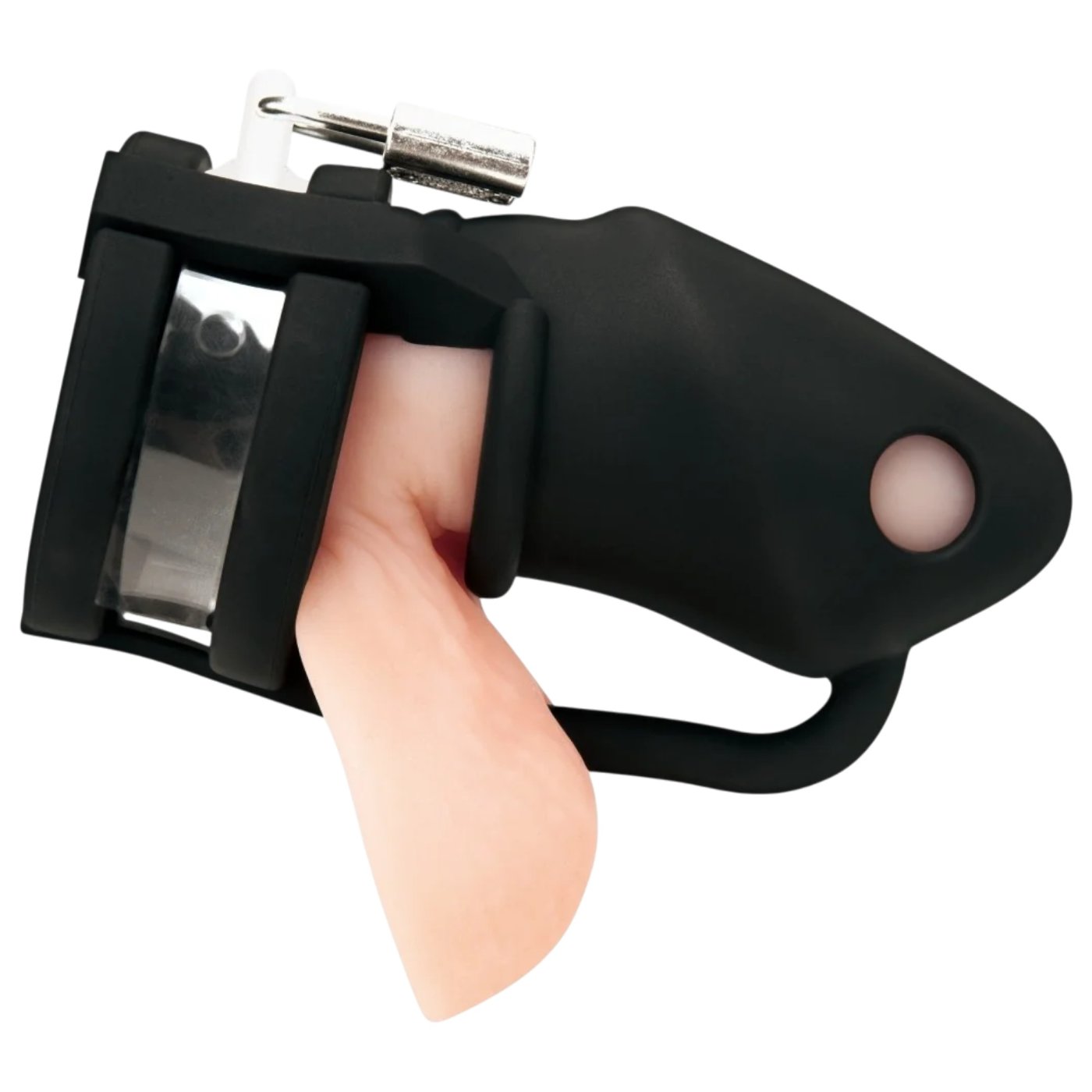
- Short chastity cage: Has less internal length than a standard model but still projects forward.
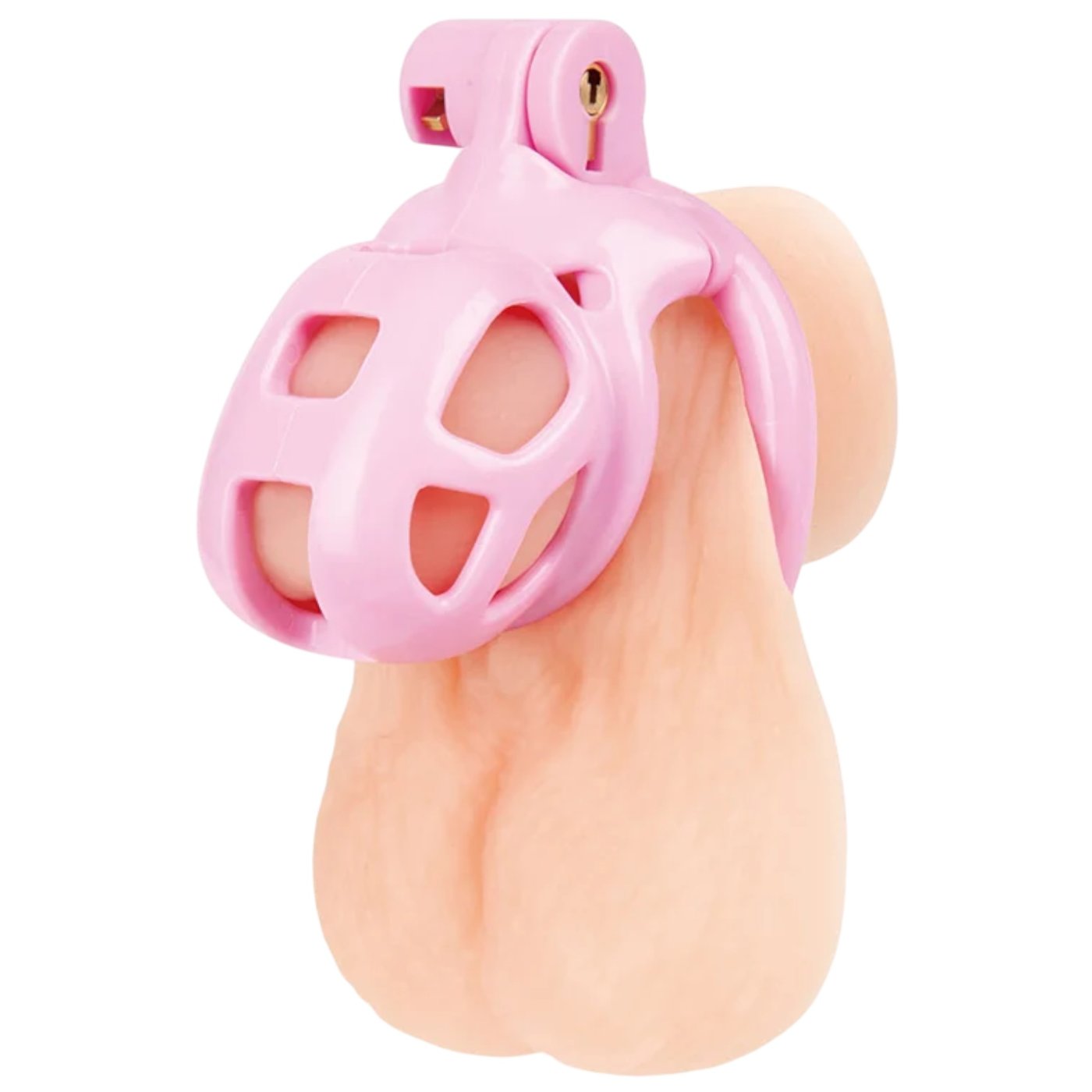
- Micro chastity cage: Uses a compact chamber and sits closer to the body.
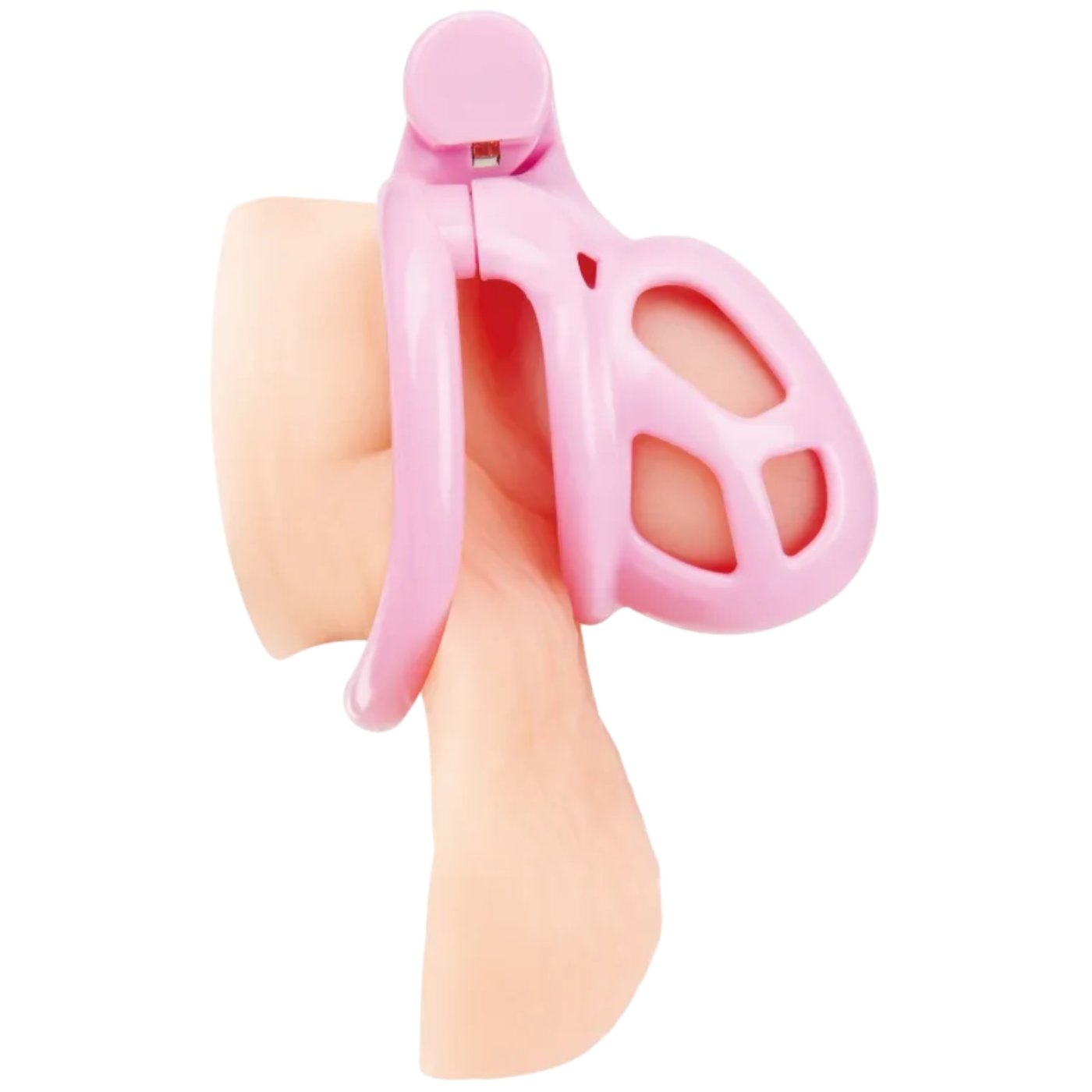
- Flat-profile penis cage: Aims to reduce forward projection under clothing.
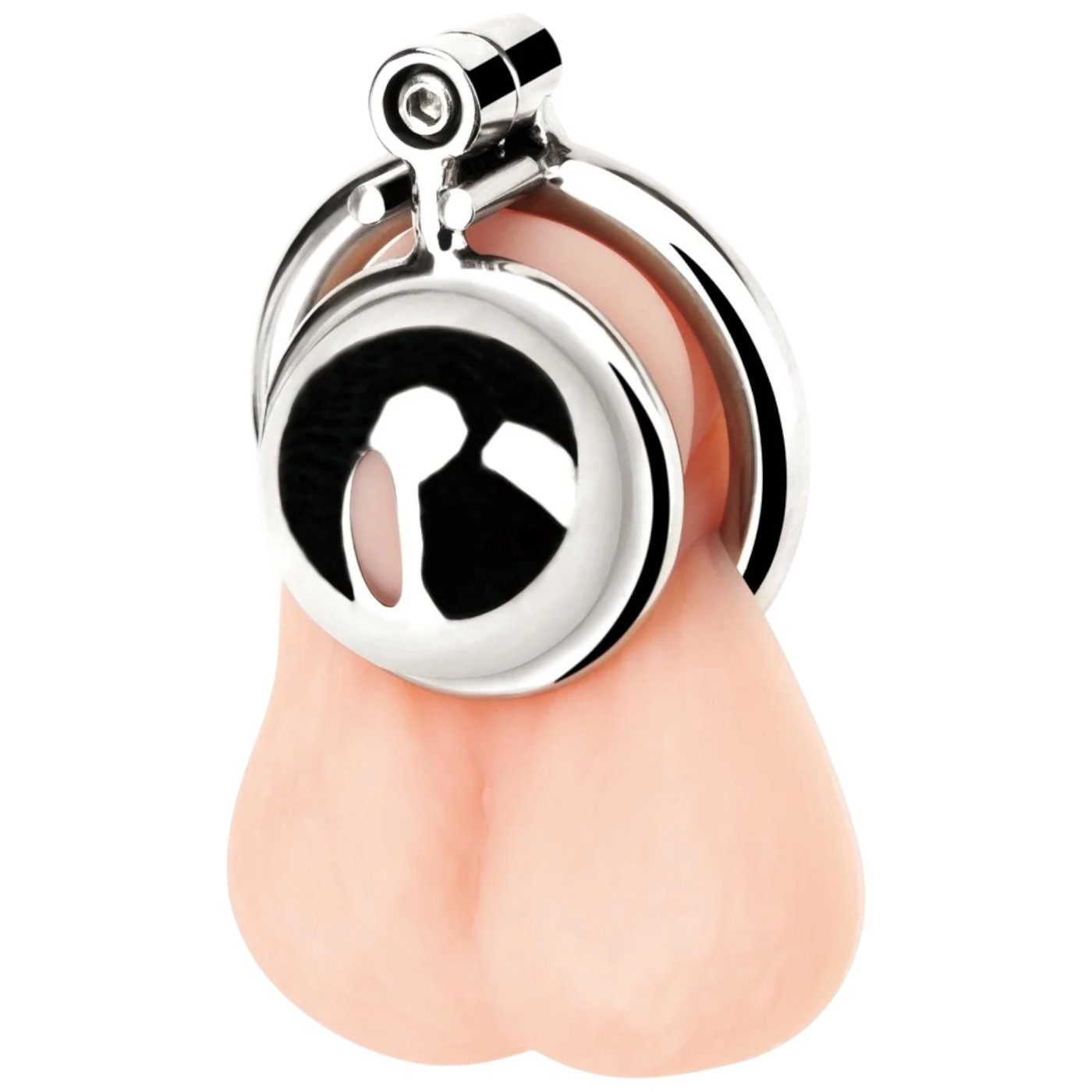
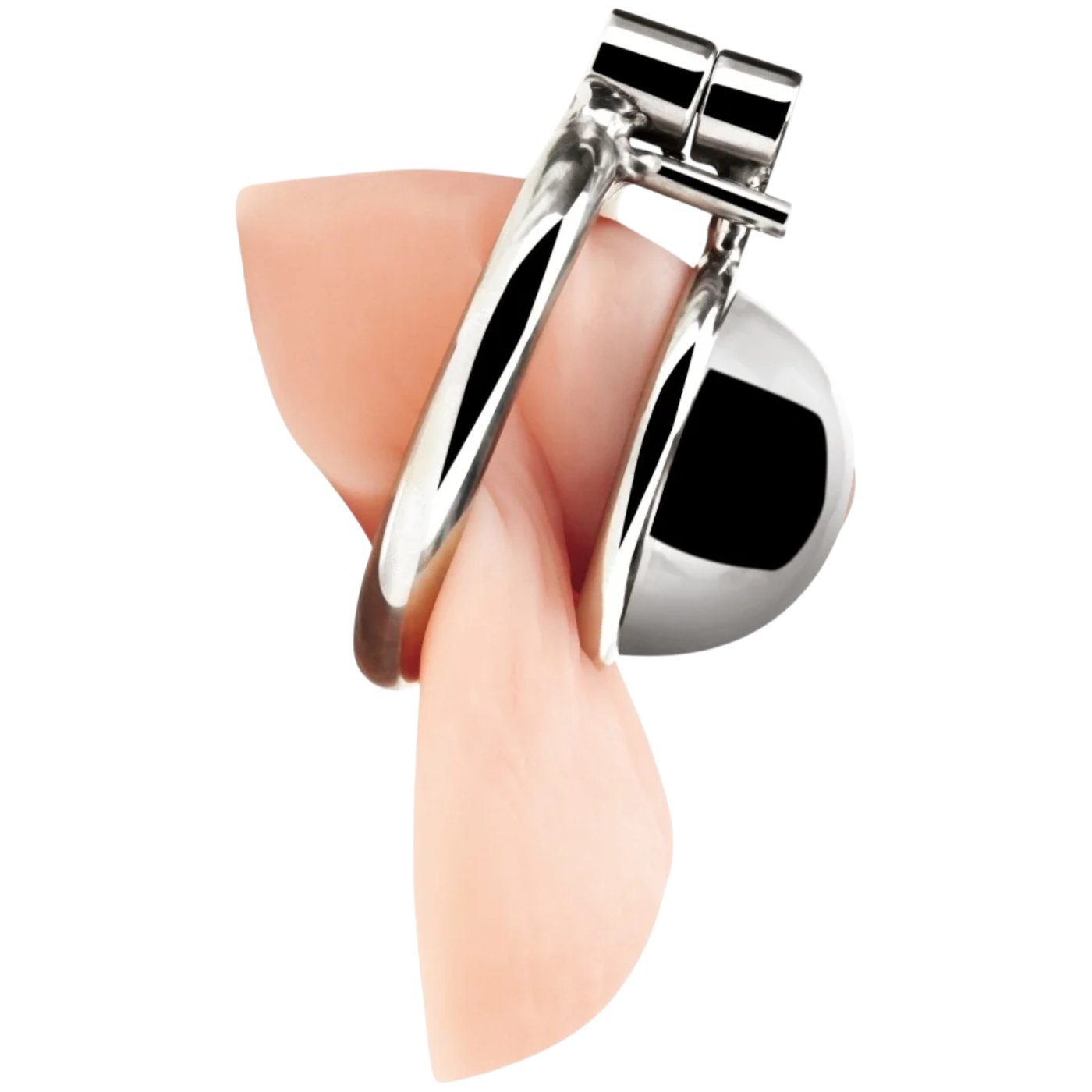
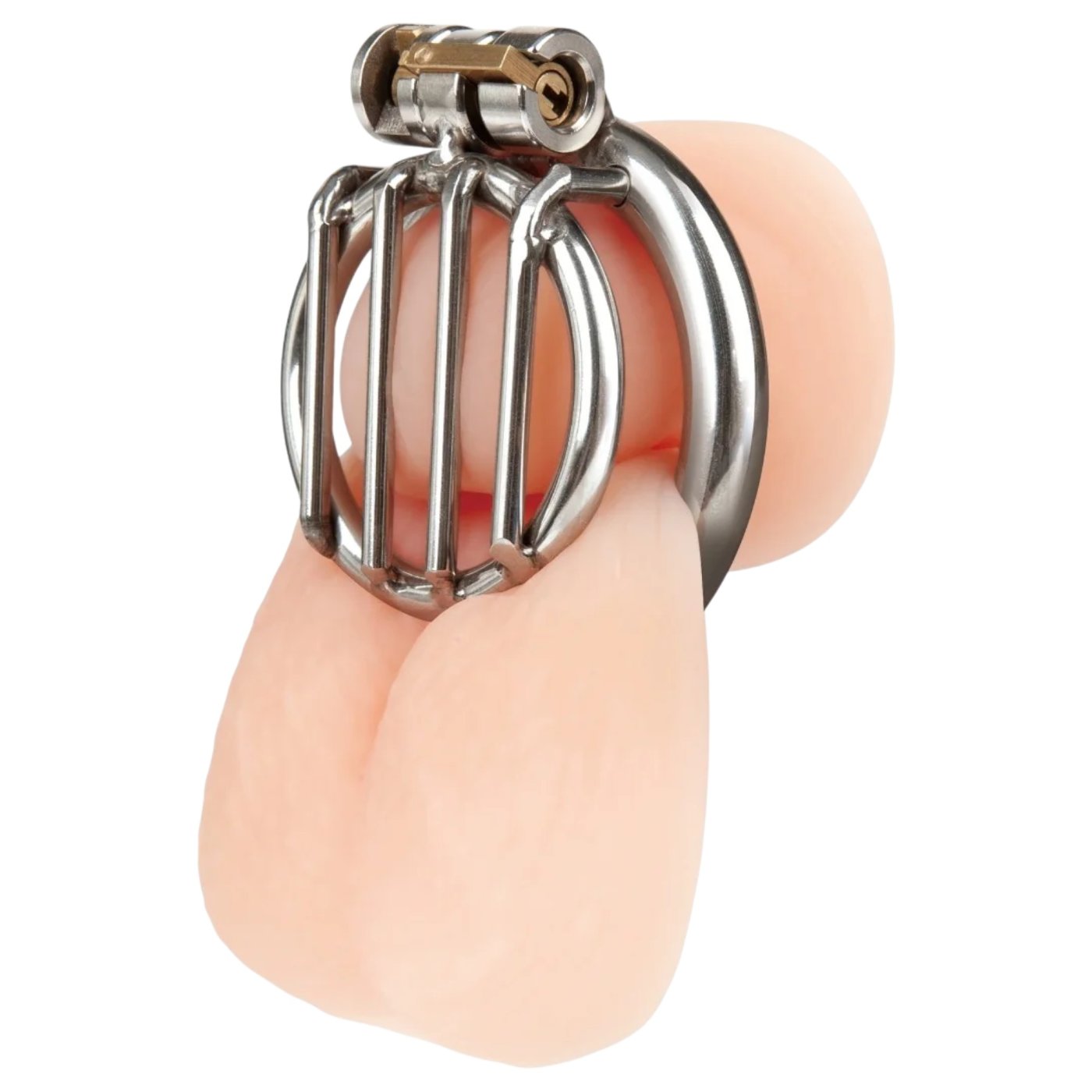
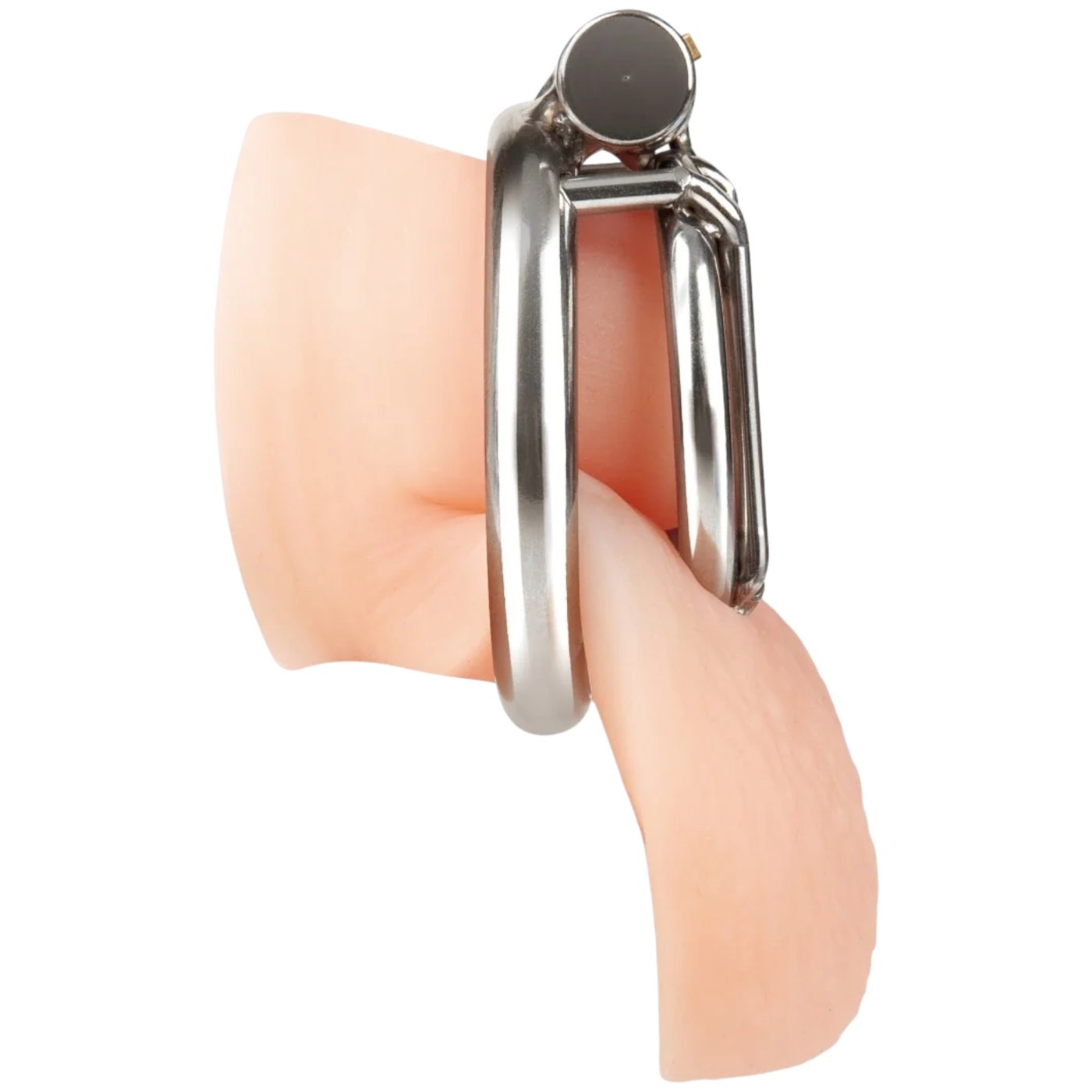
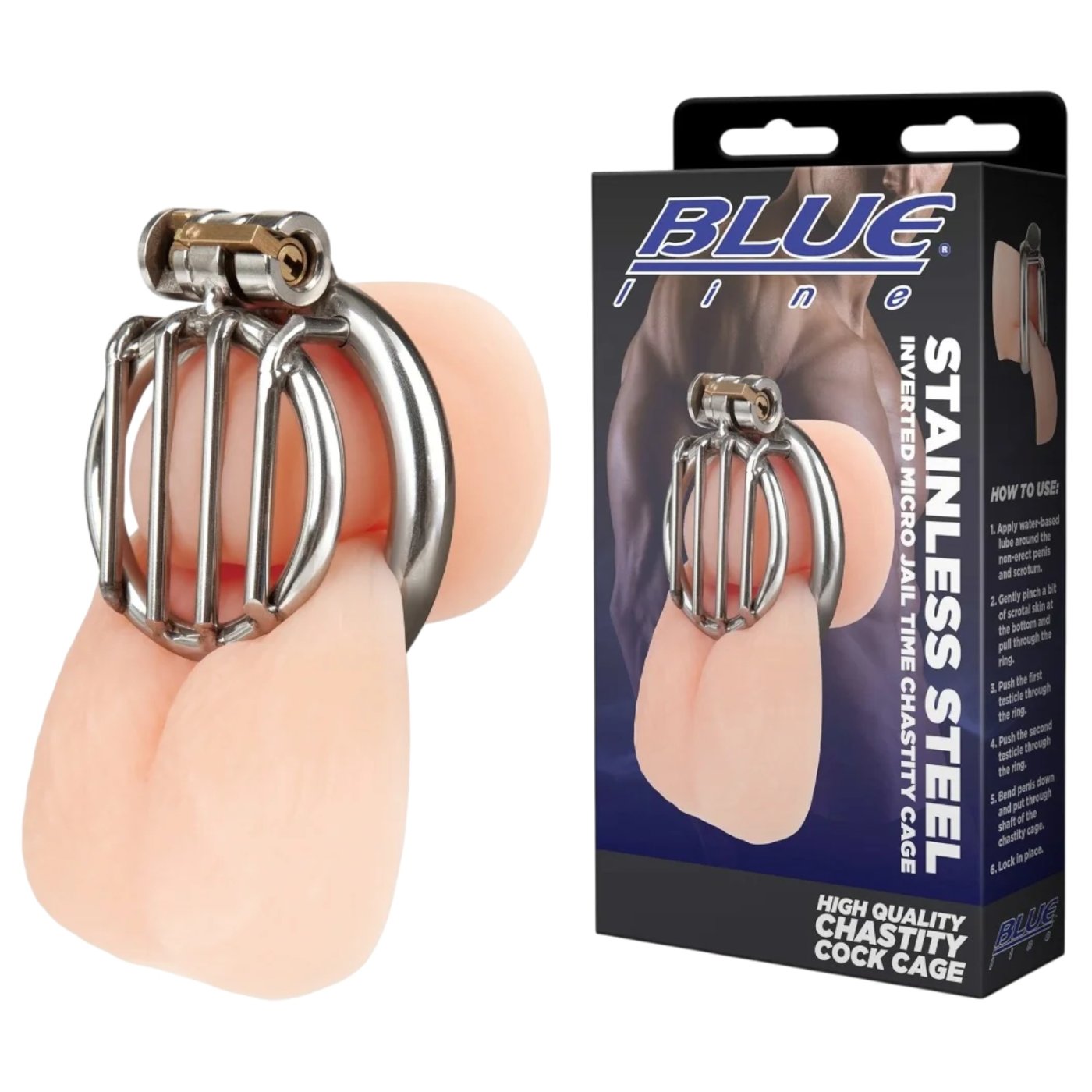
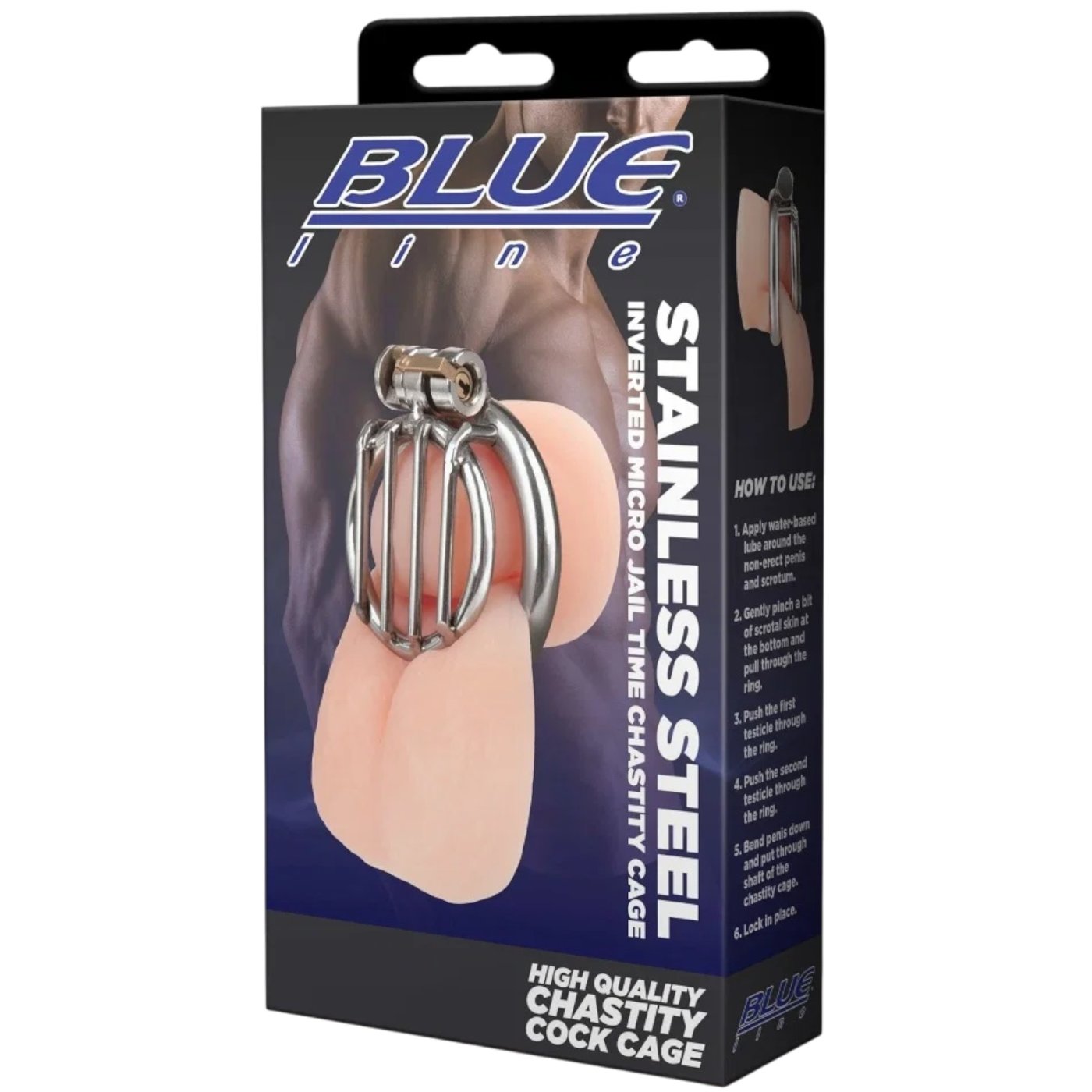
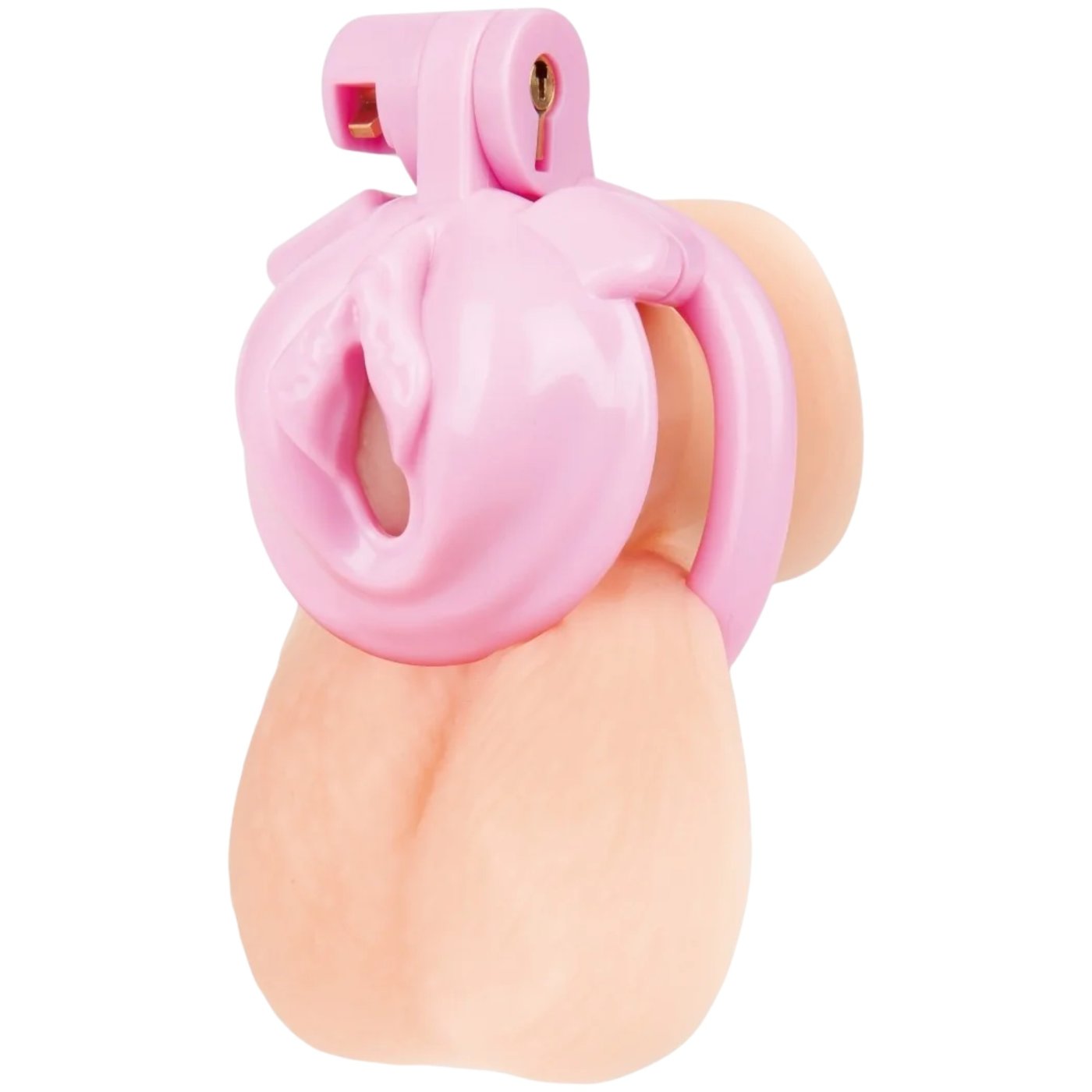
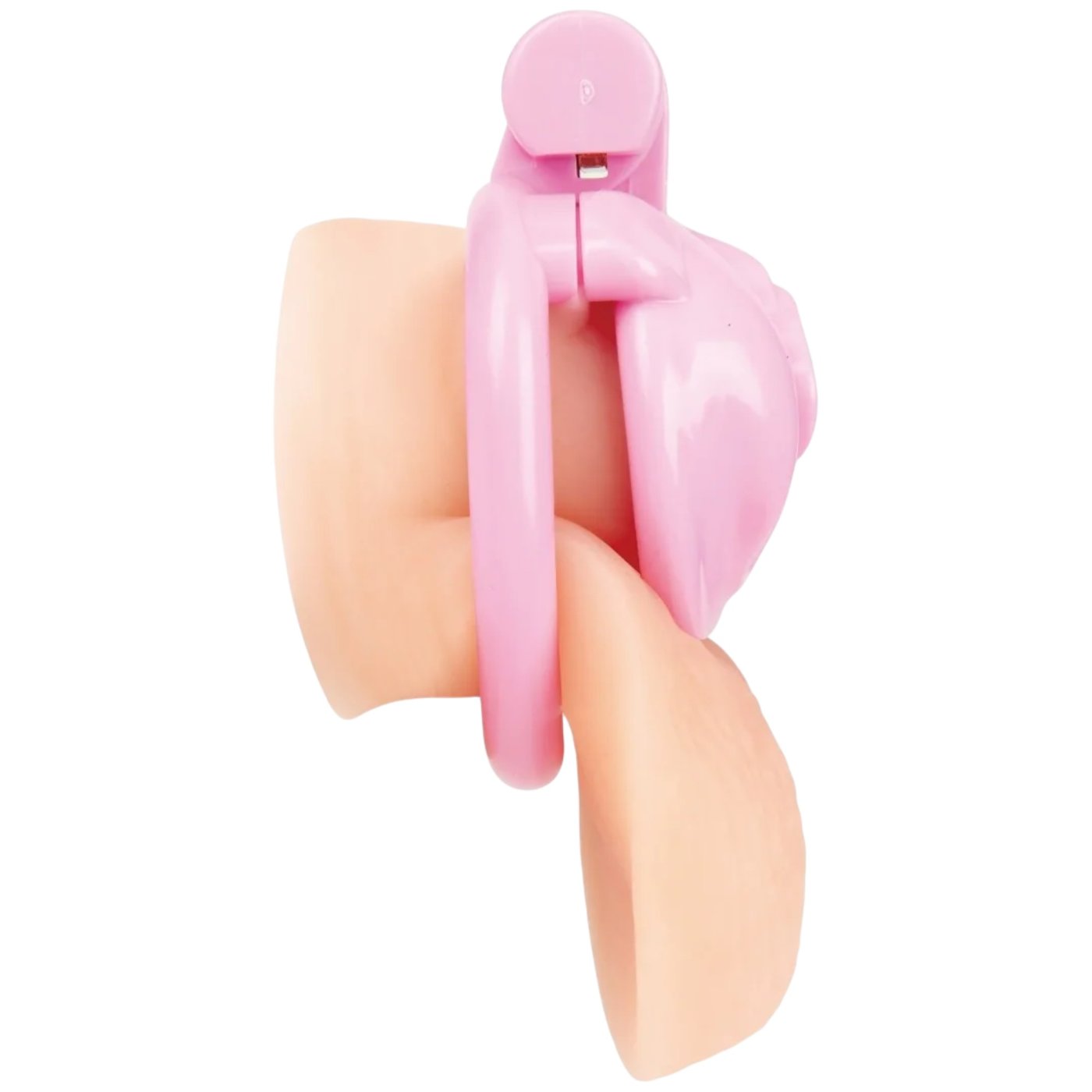
- Inverted cage: Uses a recessed shape that may place part of the chamber behind or close to the base ring.
- Open cage: Leaves more skin visible for checks, washing and drying.
- Enclosed cage: Gives more coverage but may need closer attention during cleaning.
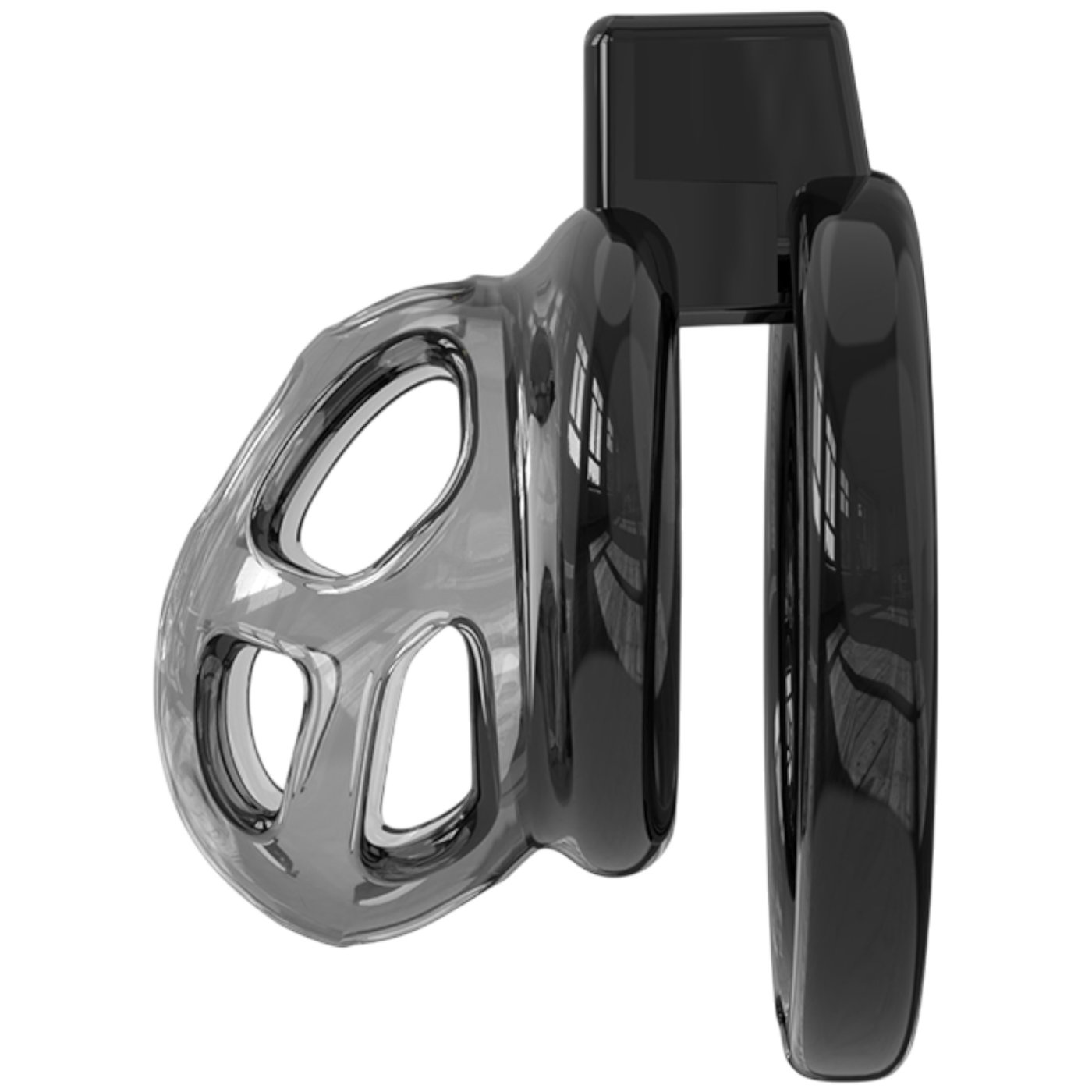
Brands may describe a model as a flat chastity cage, but that does not guarantee the same construction as an inverted design. Check the side view, chamber shape and actual measurements.
Materials and Everyday Practicalities
Flexible silicone and some TPE, or thermoplastic elastomer, cages can feel softer against the body. Acrylic and polyresin models usually feel firmer while remaining lighter than many metal cages. Metal creates a rigid, weightier structure.
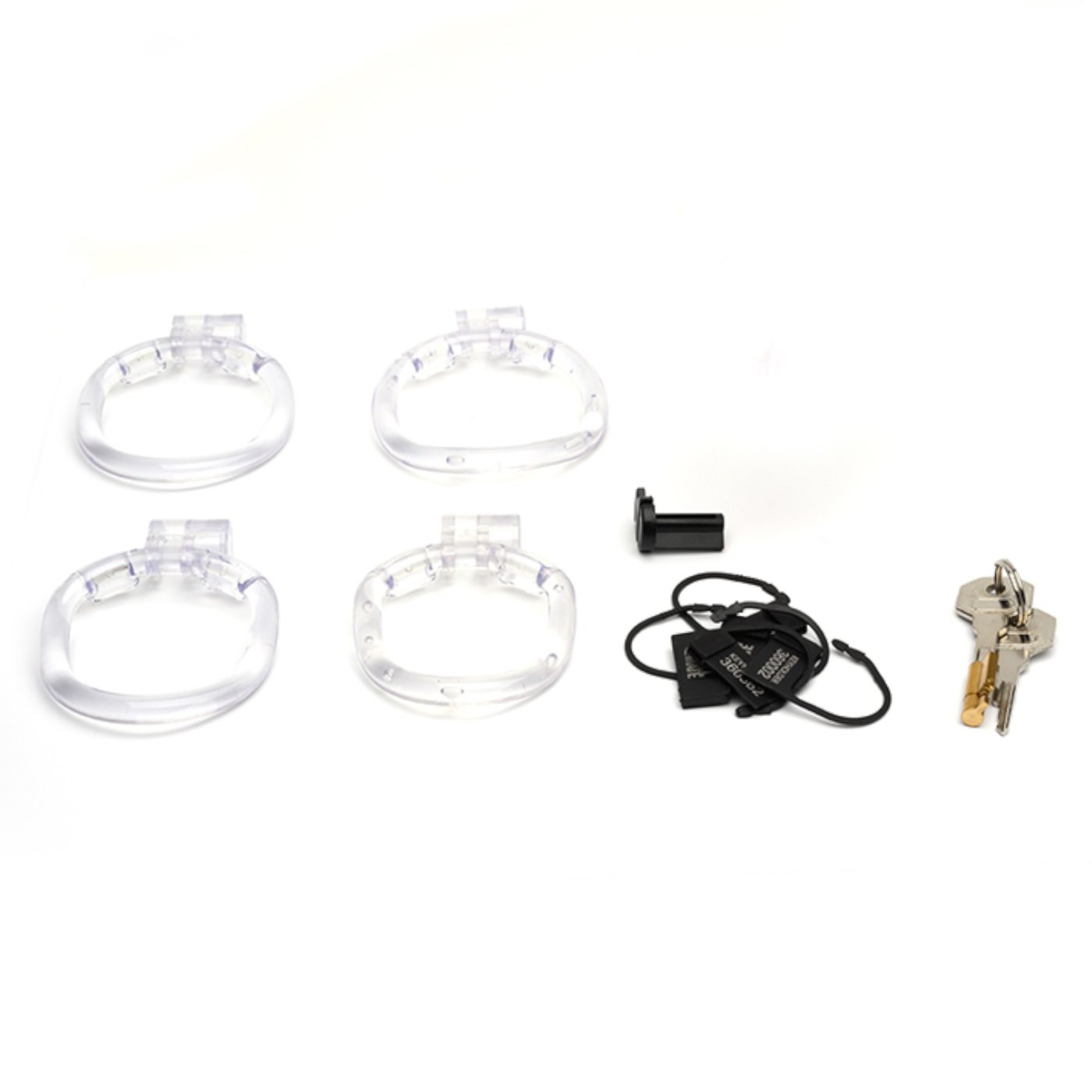
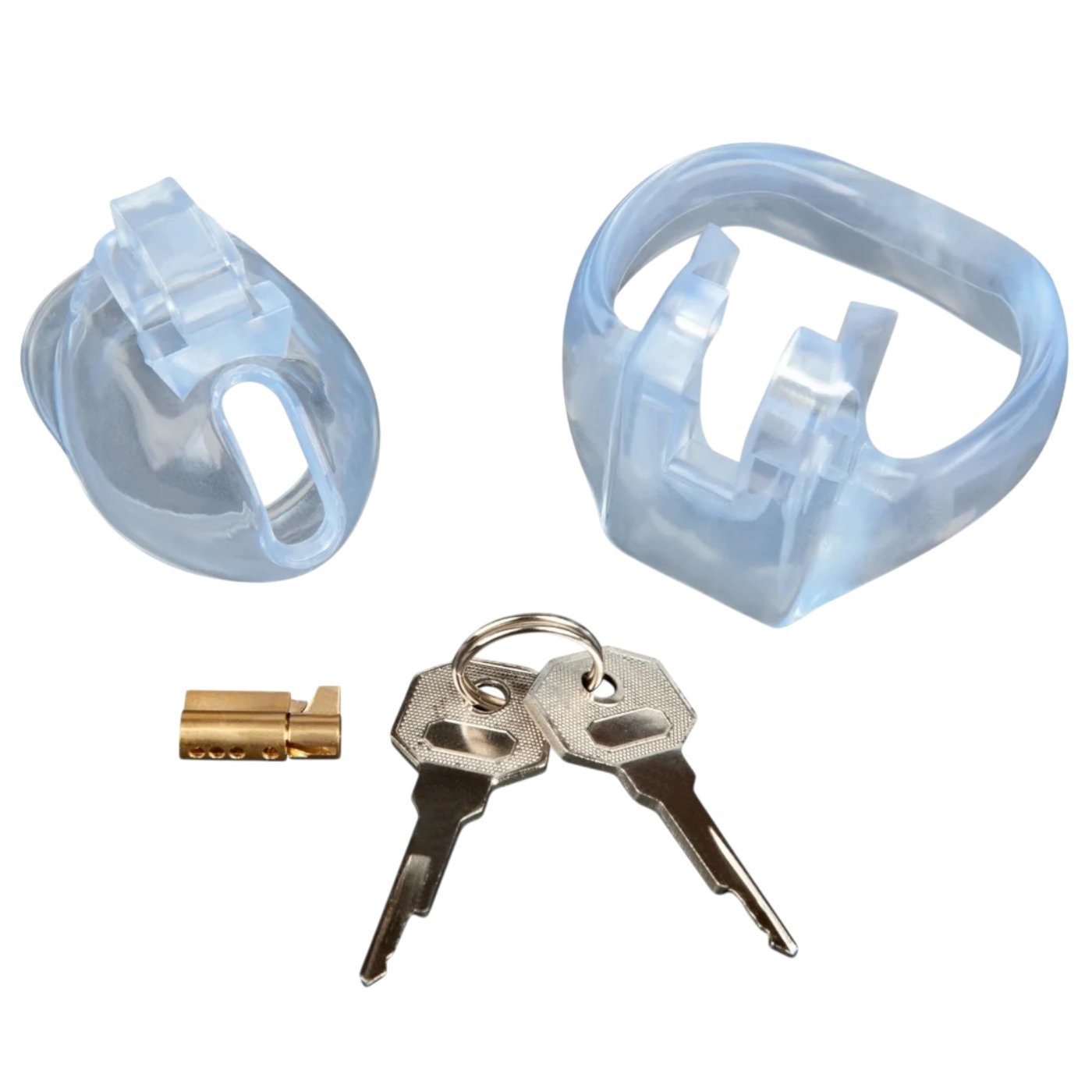
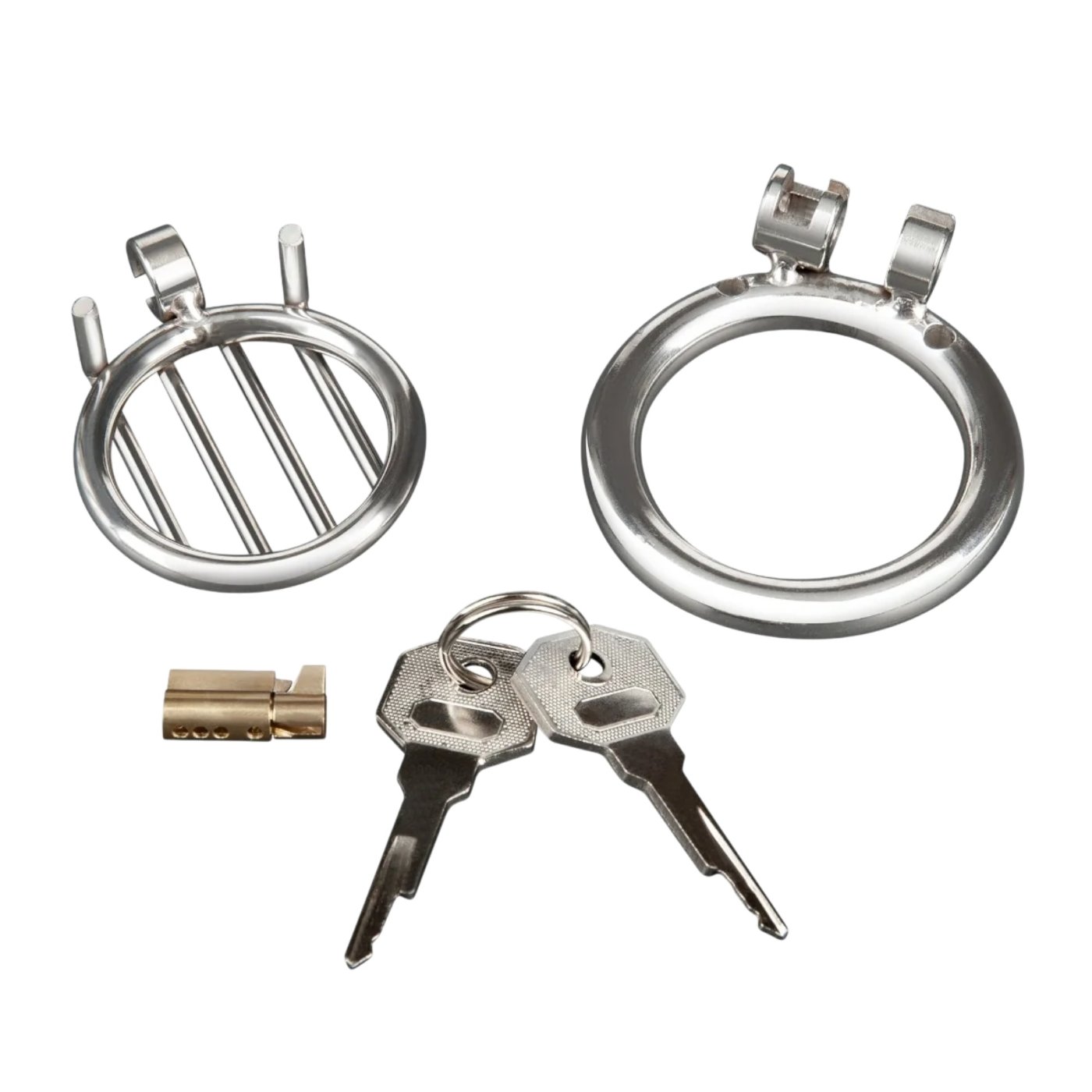
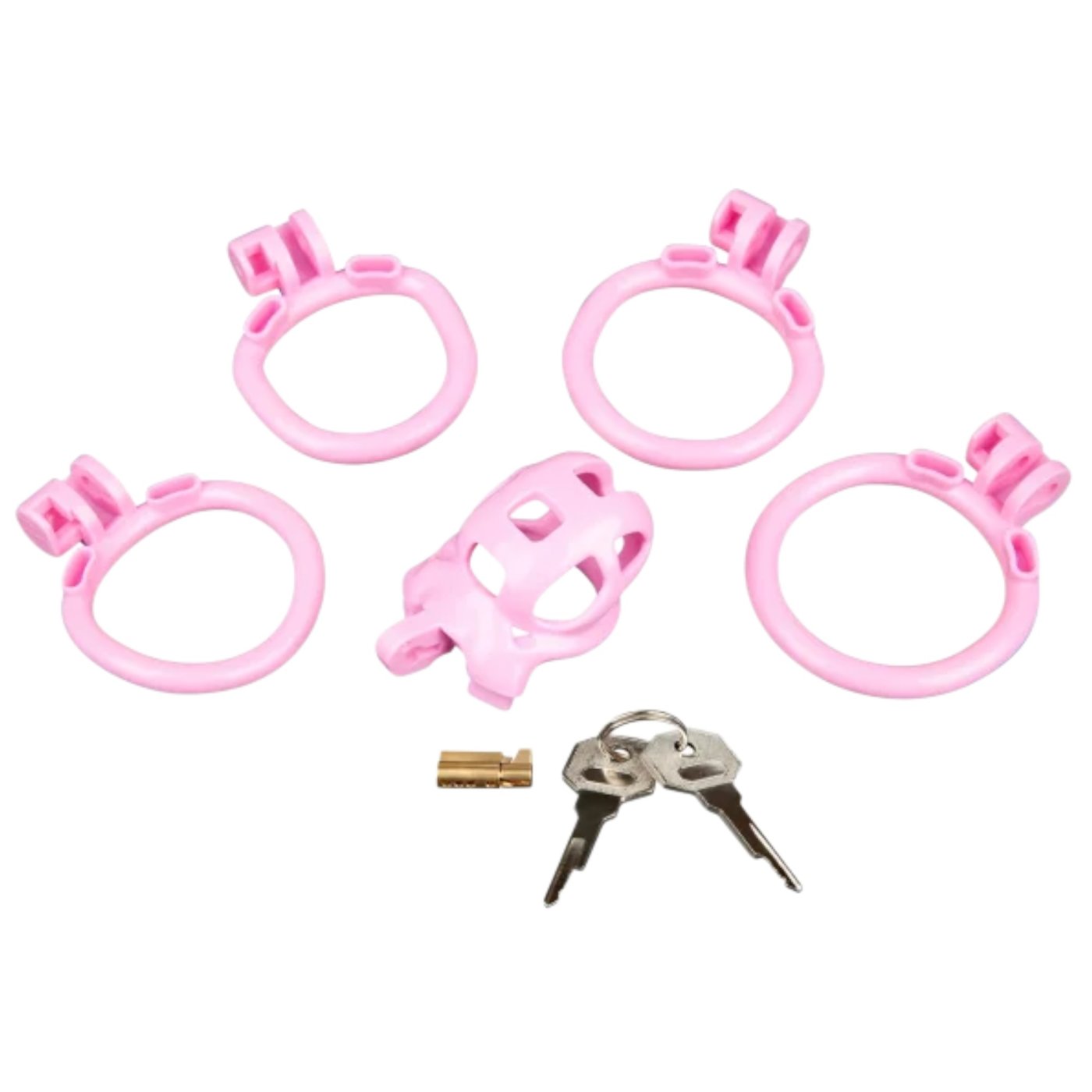
A compact cage should still allow you to urinate normally, check the skin and clean the device thoroughly. Look at the front opening, ventilation slots and narrow spaces where moisture may collect. Check whether the set includes alternative base rings, spacers or locks.
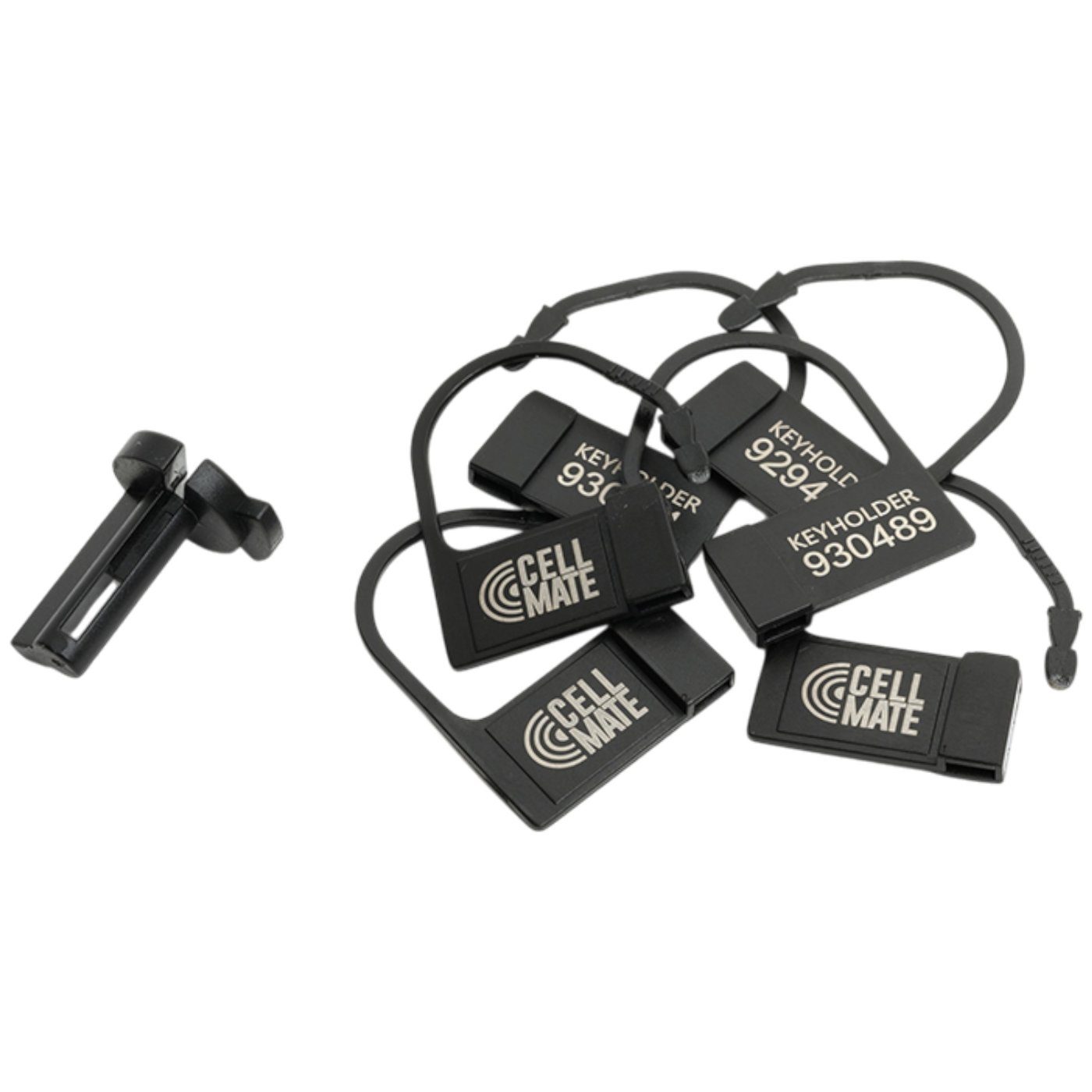
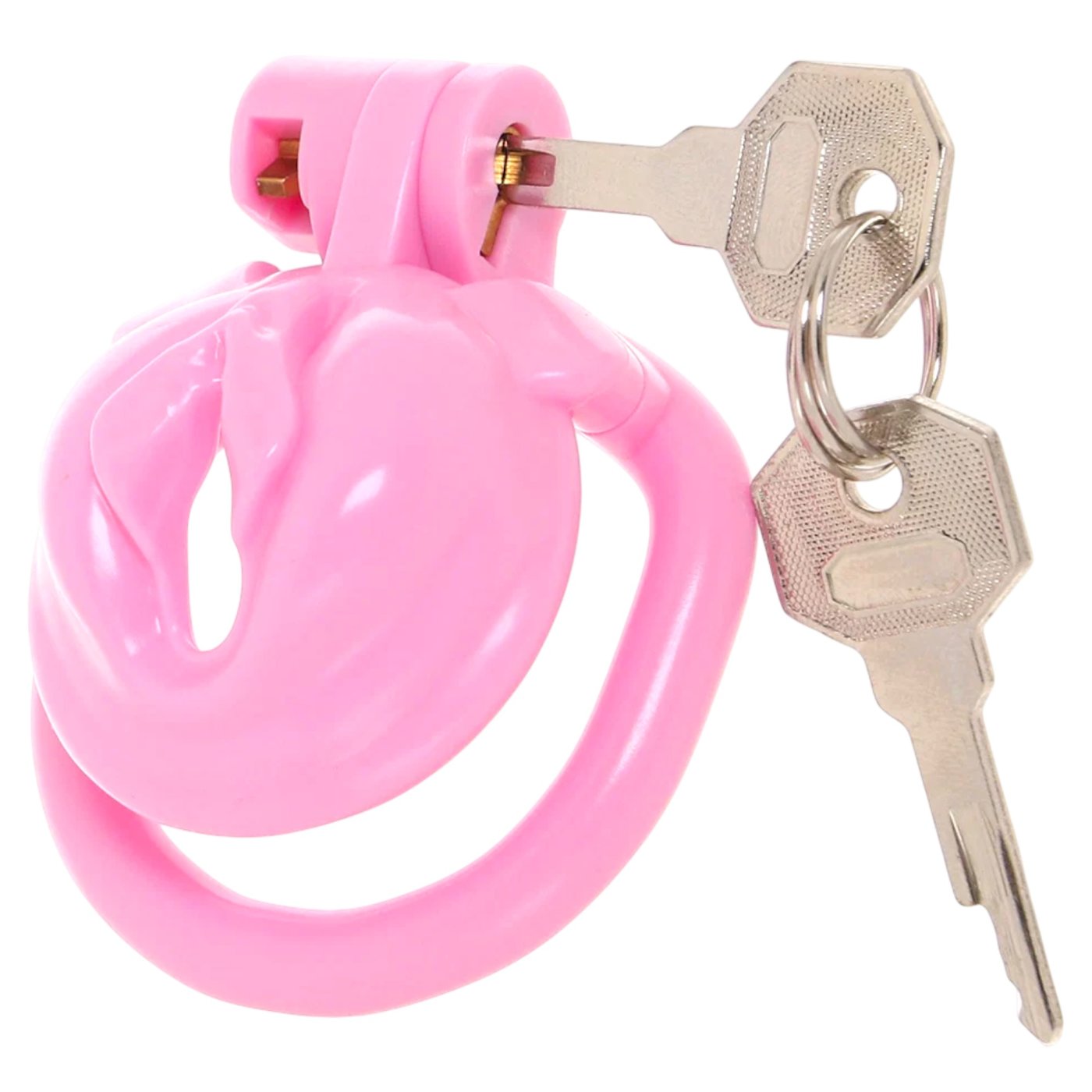
Understand the release method before fitting the cage. Built-in locks create a neat profile, while padlocks and numbered plastic locks work differently. Keep an emergency key within reach where the design uses one.
First Fit and Care
Try a new cage for a short period in a private setting where you can check the fit and remove it easily if needed. Move around, sit down and check how the ring and chamber feel. Remove the device at once if you notice pain, numbness, swelling, marked colour change, broken skin or difficulty urinating.
Clean the cage before and after use, dry it fully and follow the product’s care guidance. Check the edges, joins, lock and surface before each wear. Stop using the device if you find cracks, rough areas or other damage.
Explore More Chastity Options
Browse metal chastity cages for firmer, heavier designs, or view all chastity cages for men to compare standard-length, flexible and open styles. Our beginner’s chastity guide explains the difference between cages and belts and covers measuring, fitting and care.
Buying a Small Chastity Cage in the UK
Secrets Shop UK makes it easy to compare compact designs and order discreetly, with support available if you need help with your purchase.
- Discreet packaging and billing: Orders arrive in plain, unbranded packaging, with no product details shown on the outside.
- Free UK delivery over £40: Qualifying orders receive free UK delivery.
- Customer support: Contact the Customer Care team by live chat, email or telephone if you need help with an order.
Small Chastity Cage FAQs
What is the difference between a small, micro, flat and inverted chastity cage?
“Small”, “micro” and “short” are not standard measurements, so the exact dimensions can vary between brands. A flat chastity cage aims to reduce forward projection. An inverted cage uses a recessed design that sits differently against the body. Always compare internal length, width, base-ring size and cage gap.
How do I choose the right small chastity cage size?
Follow the measuring method given for the individual product. Compare the internal cage length and width, base-ring diameter and cage gap rather than choosing by the model name alone. The cage should sit close without crushing, pinching or forcing the penis into an uncomfortable position.
Should a small chastity cage feel tight?
A compact cage may create a close fit, but it should not cause pain, numbness, swelling, marked colour change, broken skin or difficulty urinating. Remove the male chastity cage immediately if any of these signs occur. Choosing a smaller cage solely to create more pressure can lead to a poor fit.